2027 POST TOUR ITINERARY
MAY 29 – JUNE 2, 2027
THE MANI PENINSULA – OLYMPIA - MYCENAE
DAY 1: SATURDAY, MAY 29
FERRY CROSSING CORFU TO IGOUMENITSA
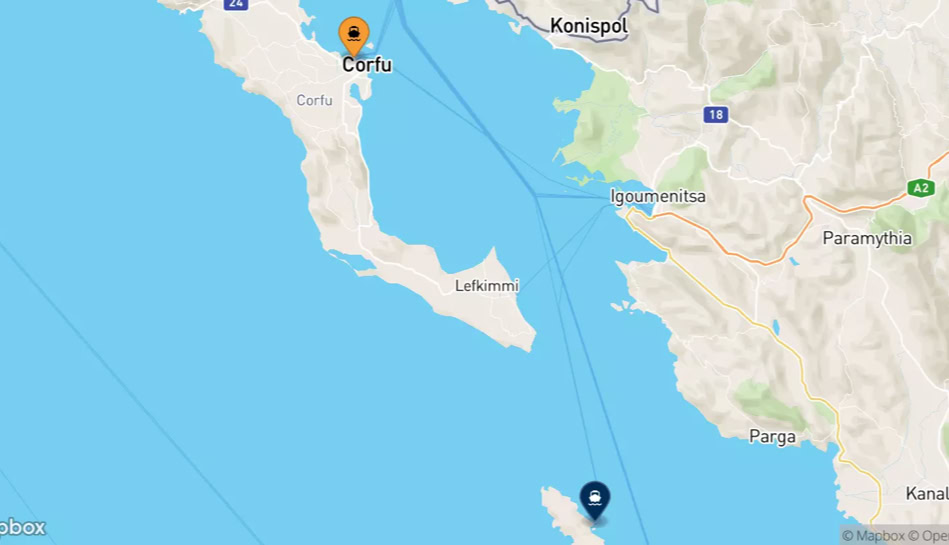
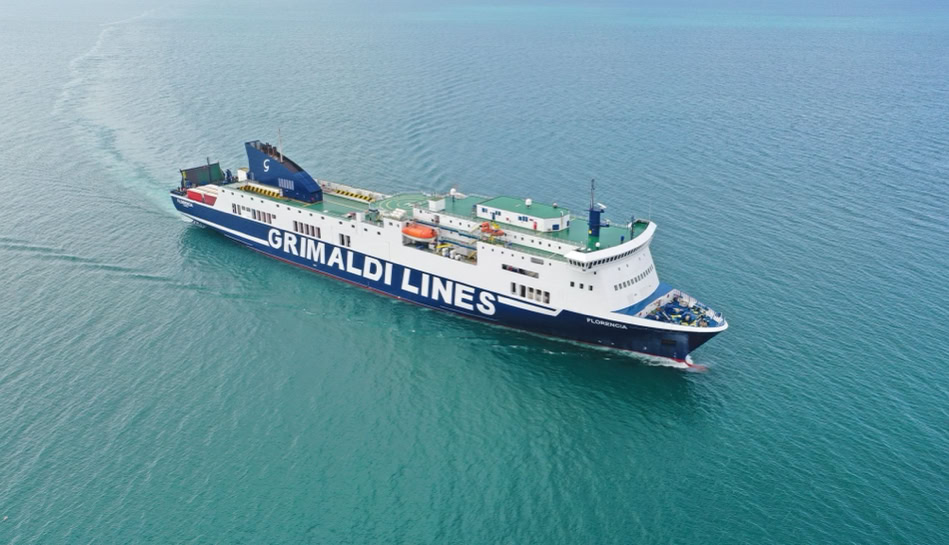
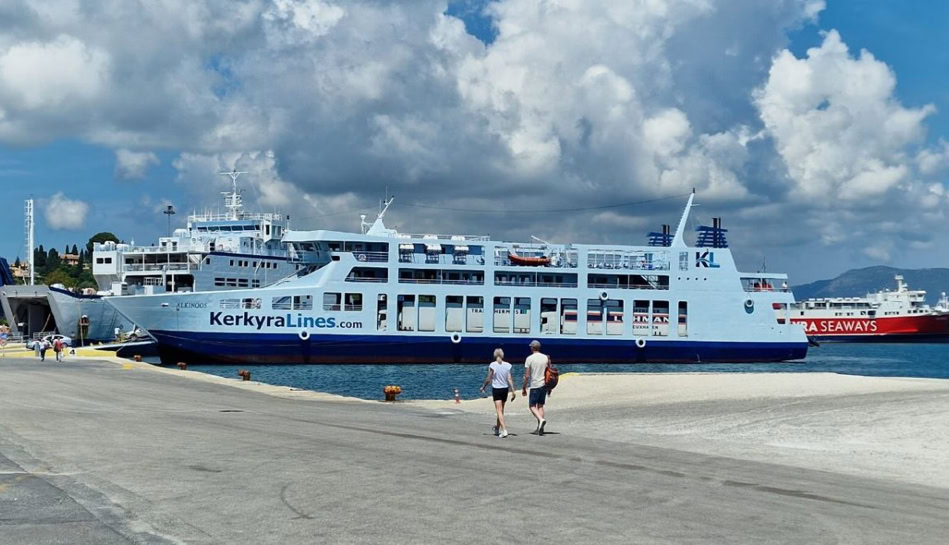
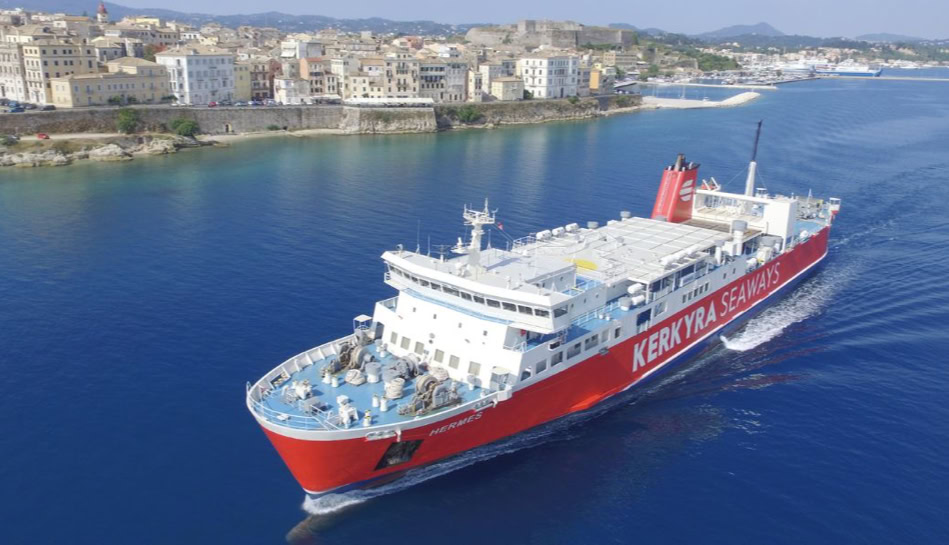
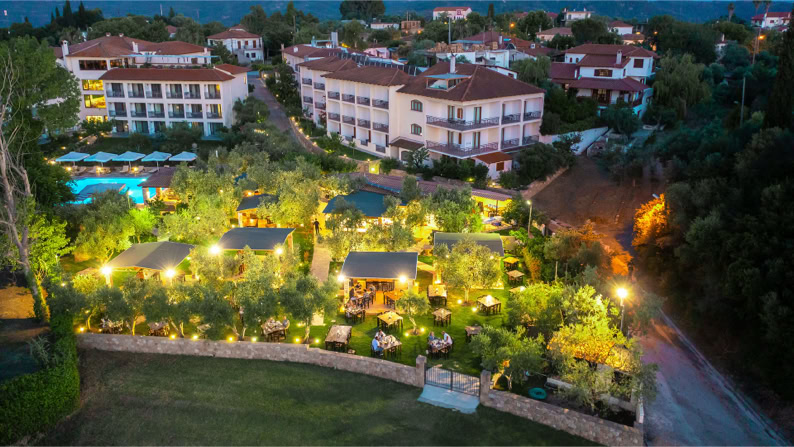
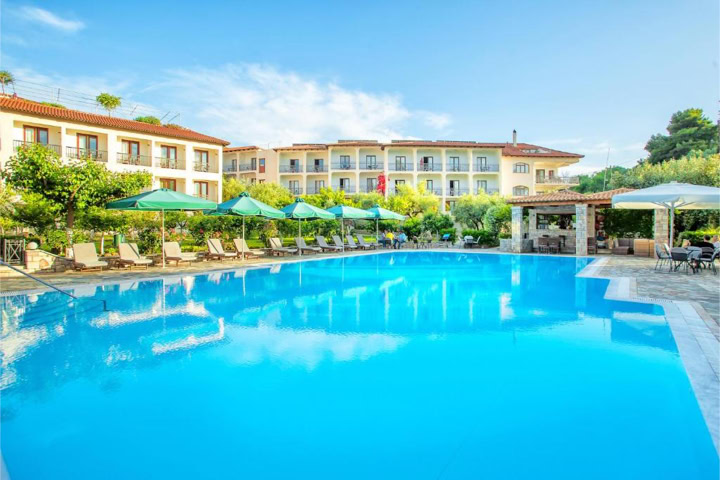
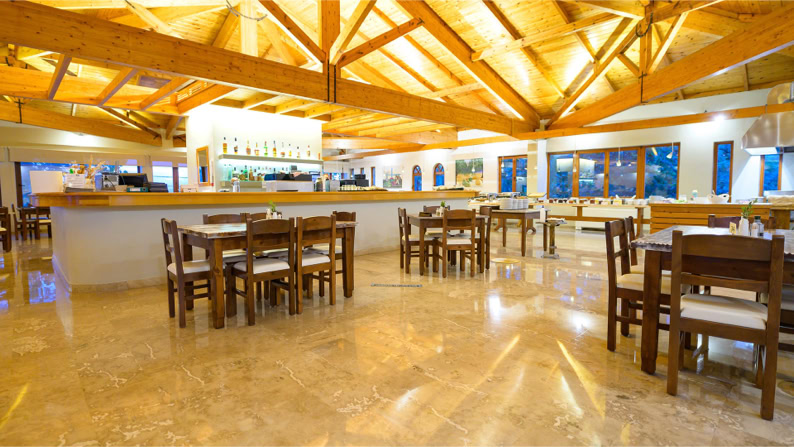
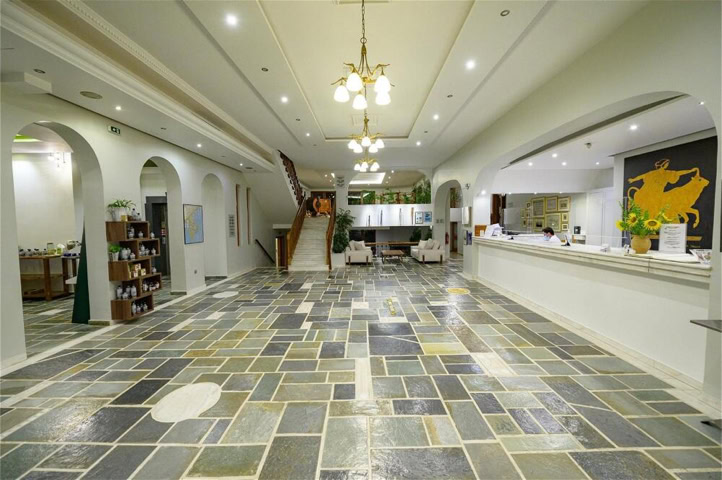
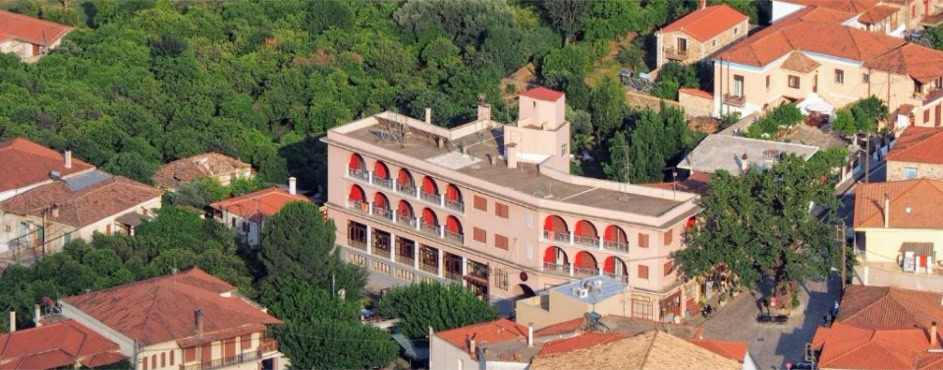
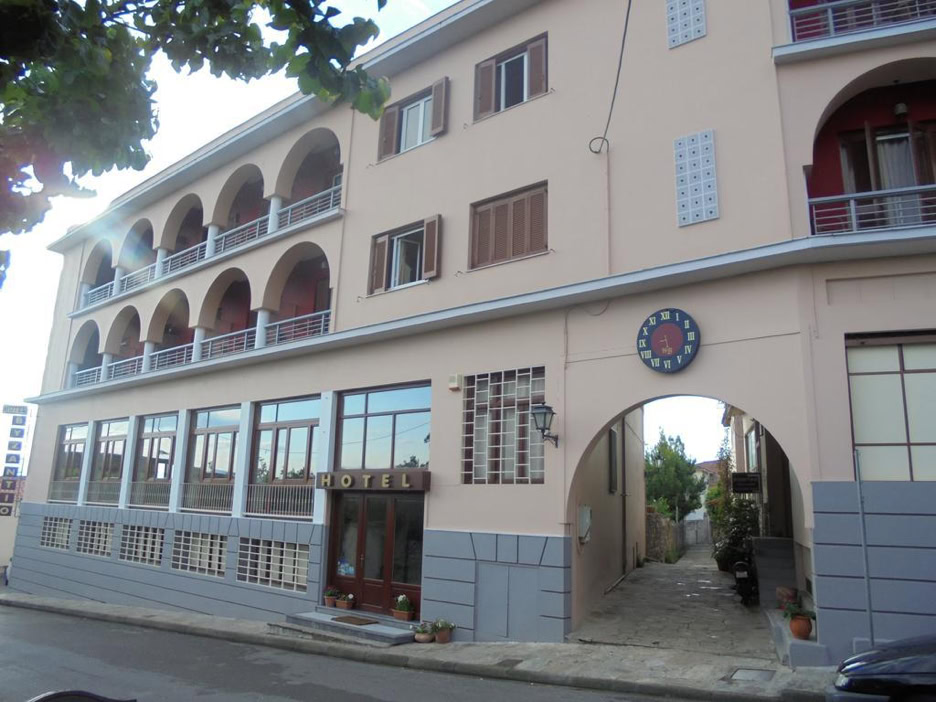
Meet at Port of Corfu (8:30) for 1:45 ferry trip to port of Igoumenitsa on the mainland. Coach will be waiting for us at the Port of Igoumenitsa to take us to Olympia Europa Hotel. Dinner will be included with our stay.
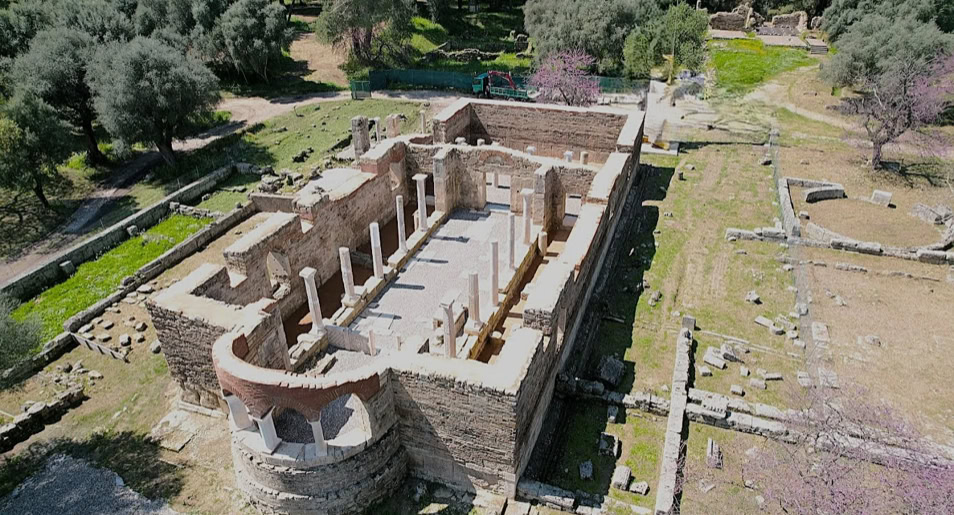
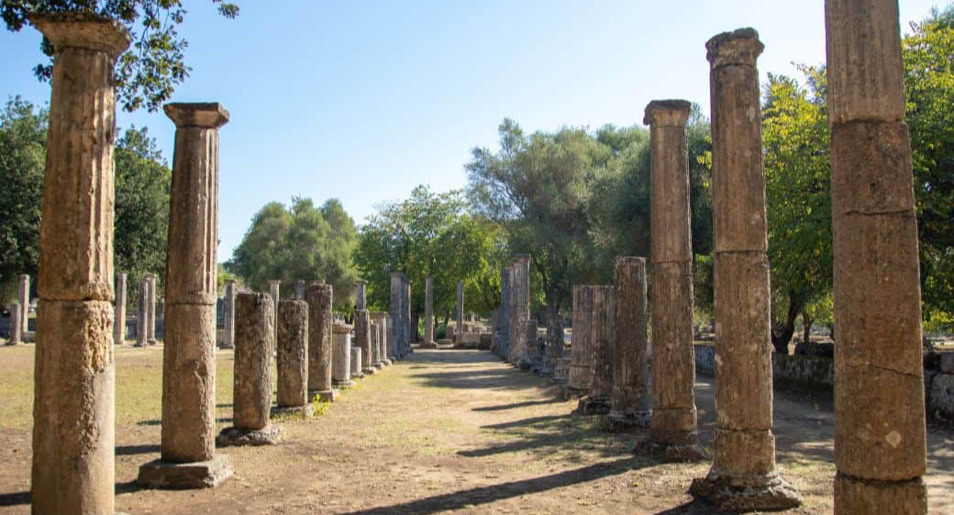
OLYMPIA ARCHAEOLOGY SITE AND MUSEUM
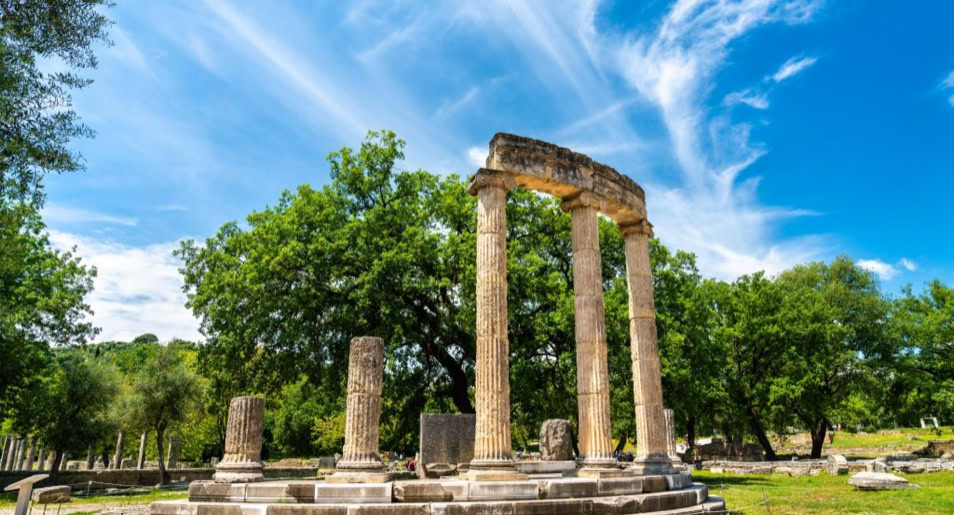
Olympia was the original home of the Olympic Games. Aristotle claimed the first winner of the games were recorded in 776 BC and that date has come to be accepted as the date of the first Olympics. However, the origins of the games go back to an earlier time when they were part of a local religious celebration dedicated to Zeus.
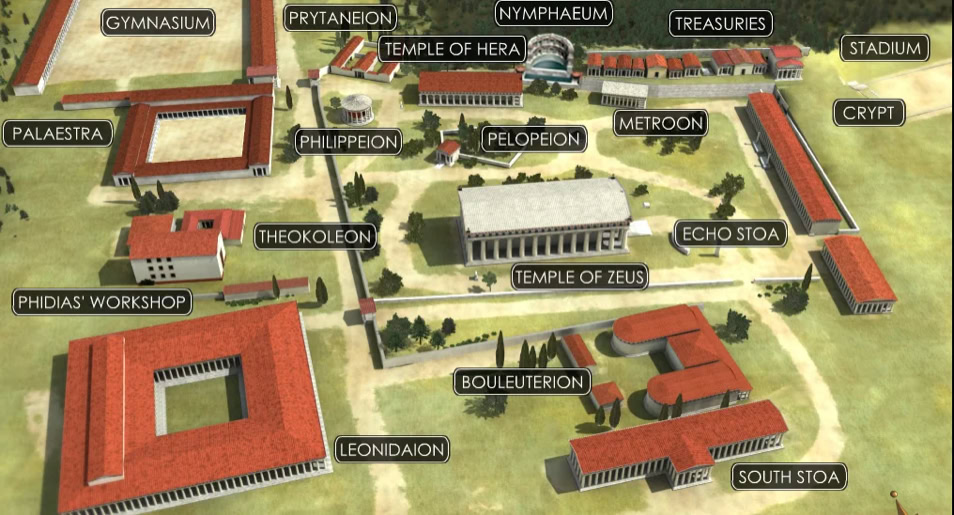
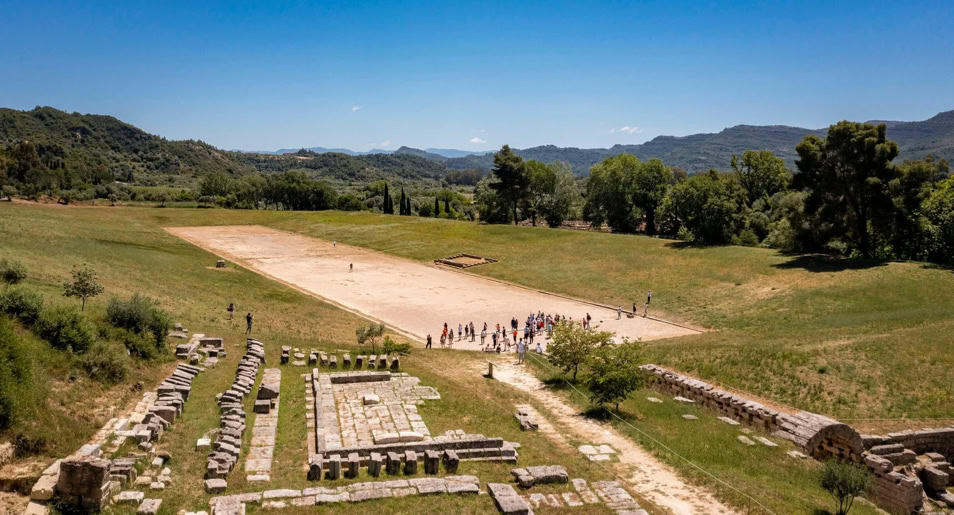
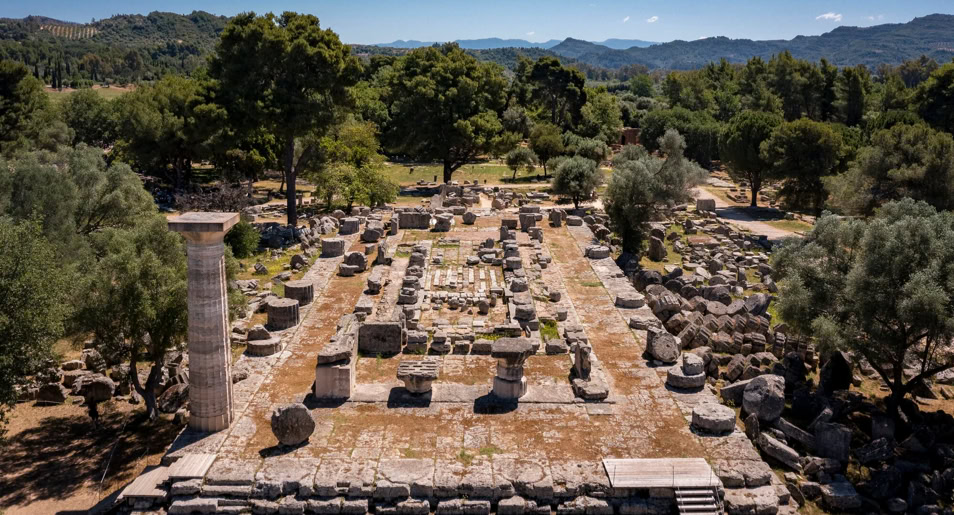
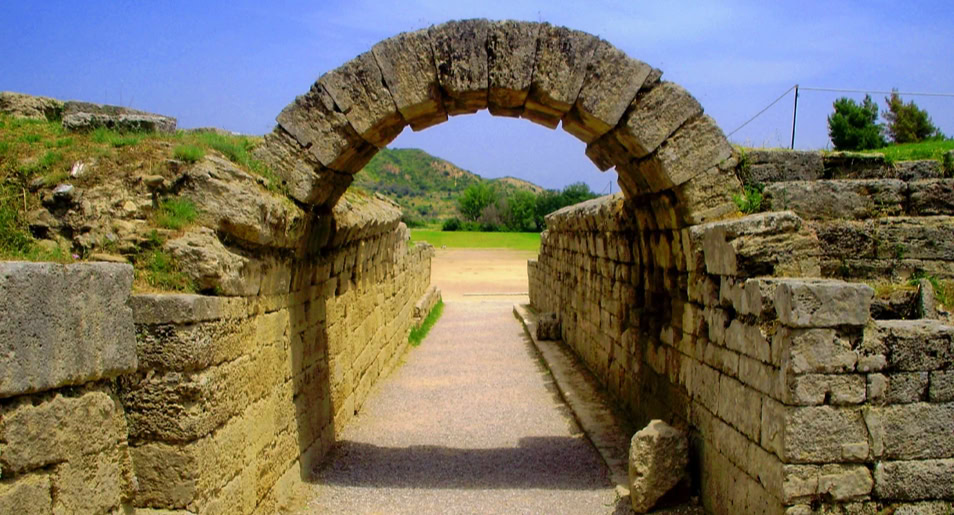
The Archaeological Site contains many important things to see including: the Stadium, Temple of Zeus, Temple of Hera (where the Olympic flame is lit), and Workshop of Phidias one of the most significant monuments at Olympia. It is where Phidias worked on the statue of Zeus, one of the Seven Wonders of the Ancient World.
OLYMPIA MUSEUM
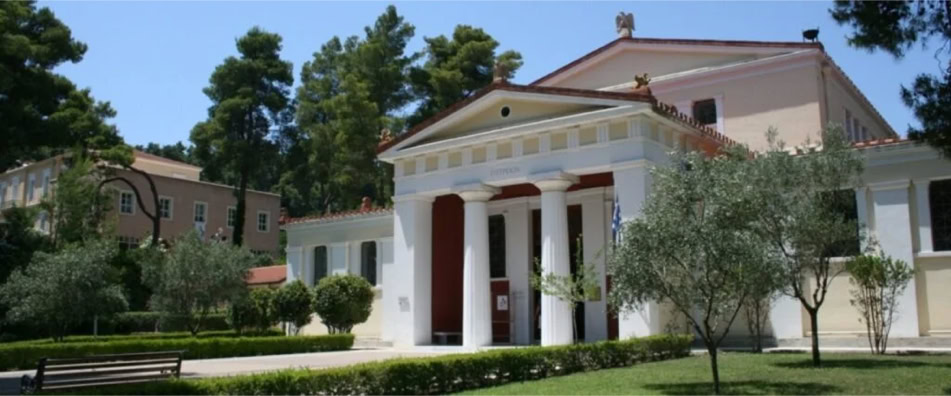
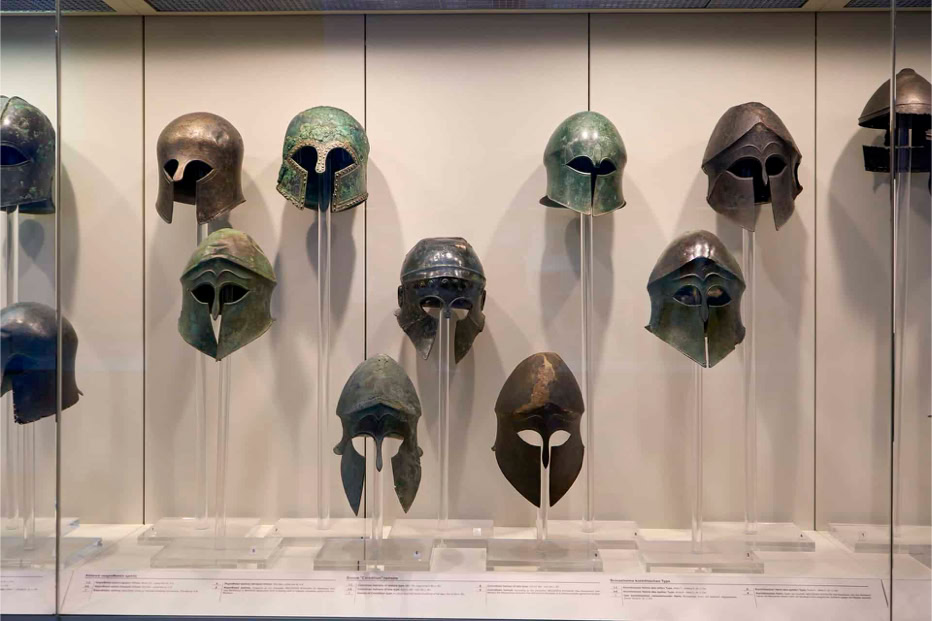
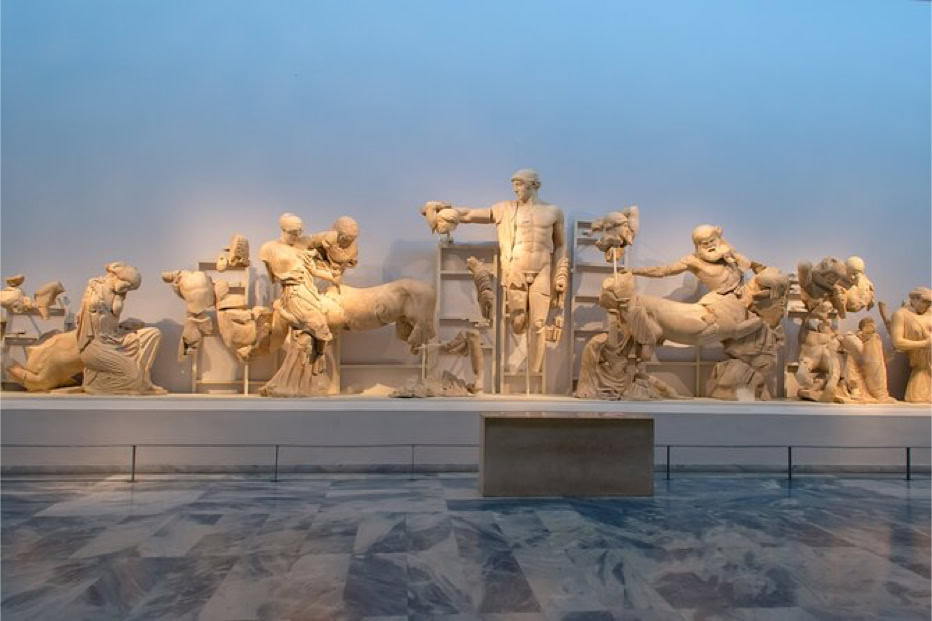
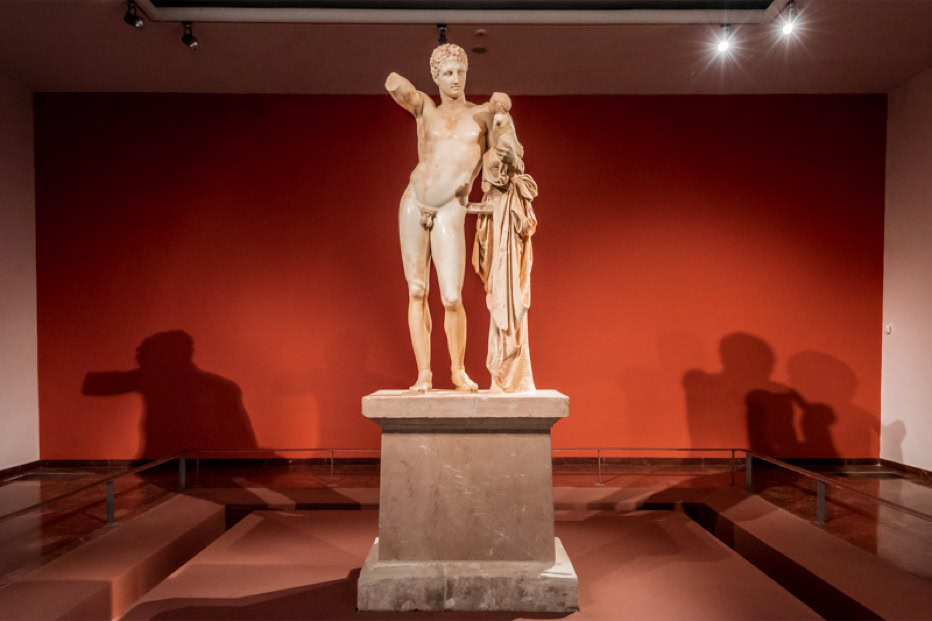
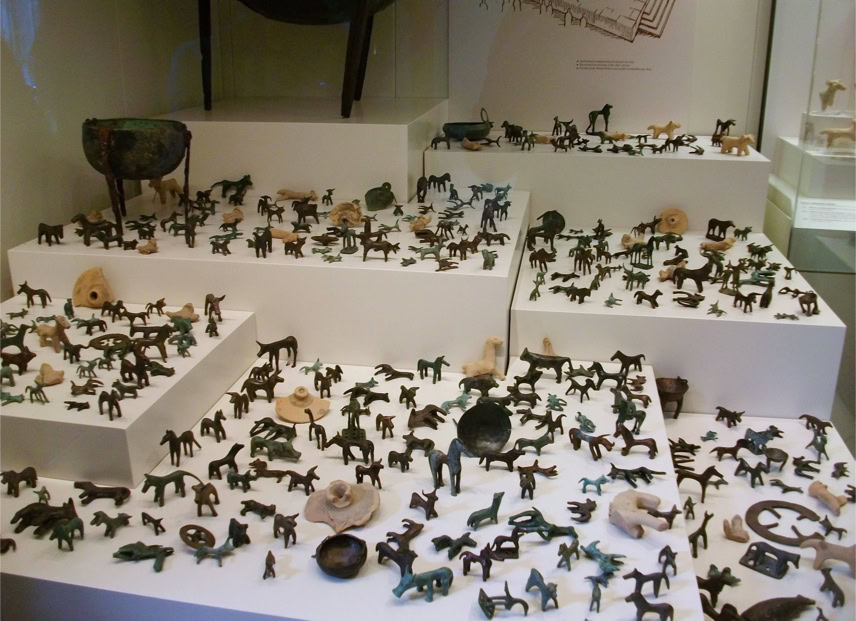
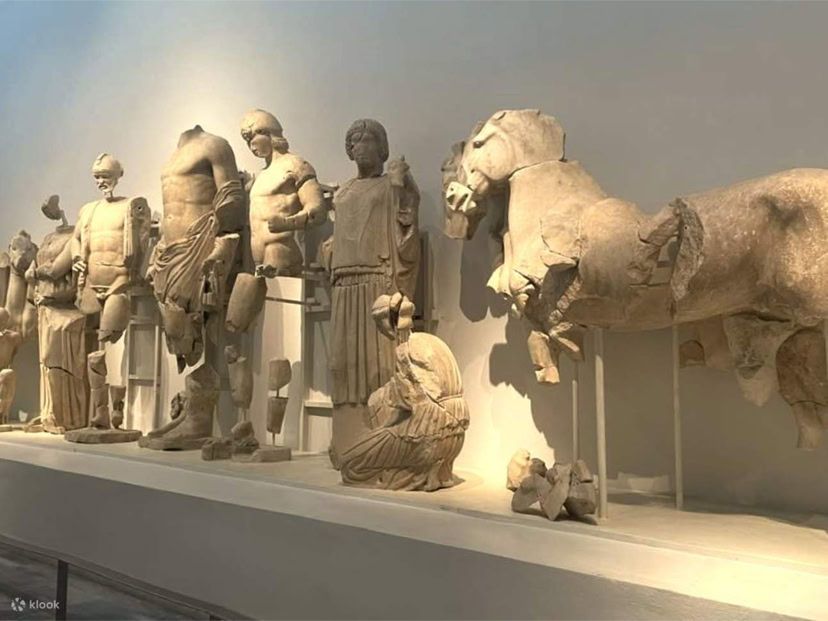
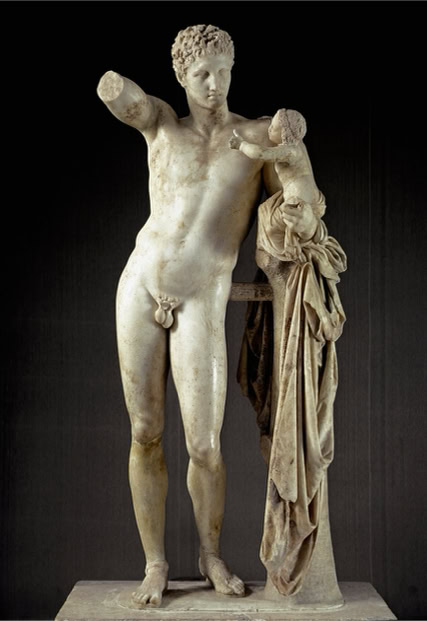
The Archaeological Museum of Olympia is one of the principal museums of Greece. When the original building was opened in 1888, it was the first museum in Greece outside of Athens. The extent of its bronze collection makes it one of the most important in the world. The Museum has many treasures with the jewel of its crown being the 4th century BC statue of Hermes and the infant Dionysus attributed to Praxiteles.
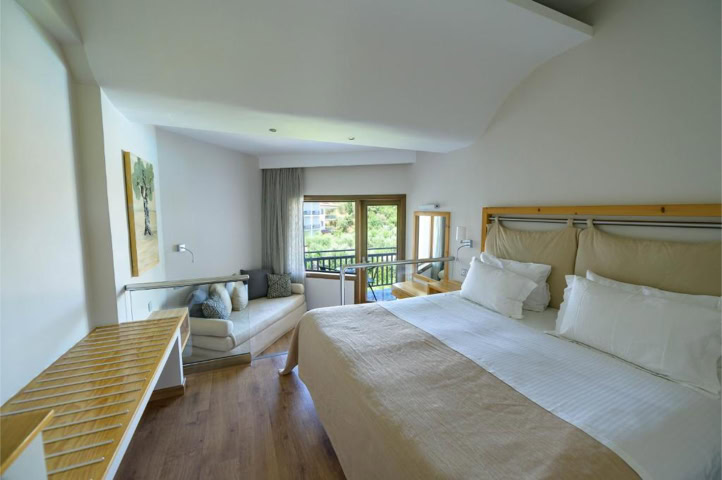
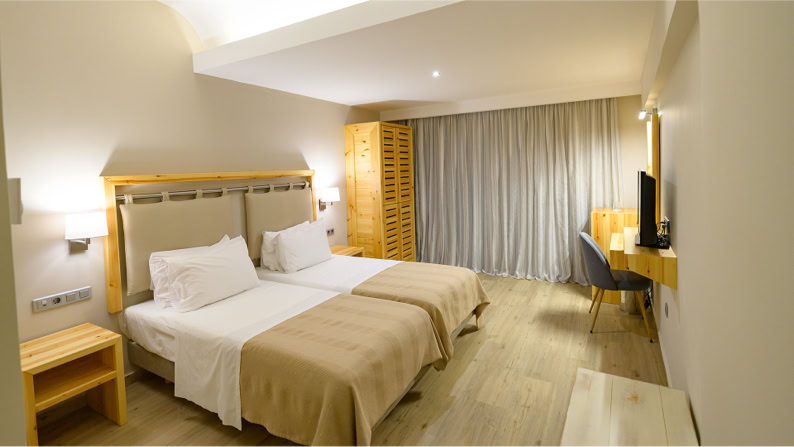
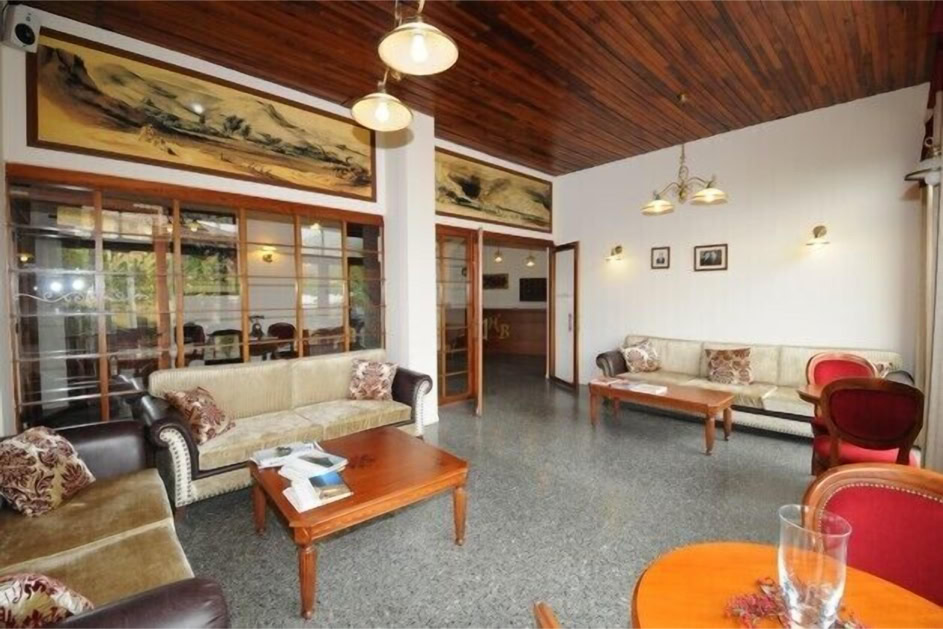
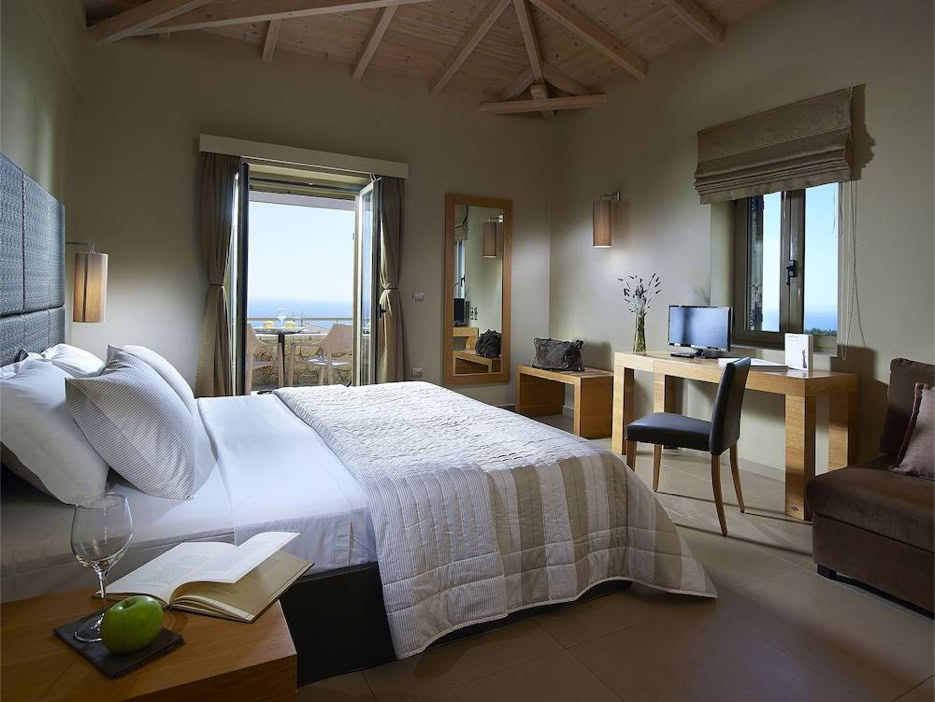
OVERNIGHT EUROPA HOTEL - DINNER INCLUDED THAT NIGHT
DAY 2: SUNDAY MAY 30 - OLYMPIA TO MYSTRAS
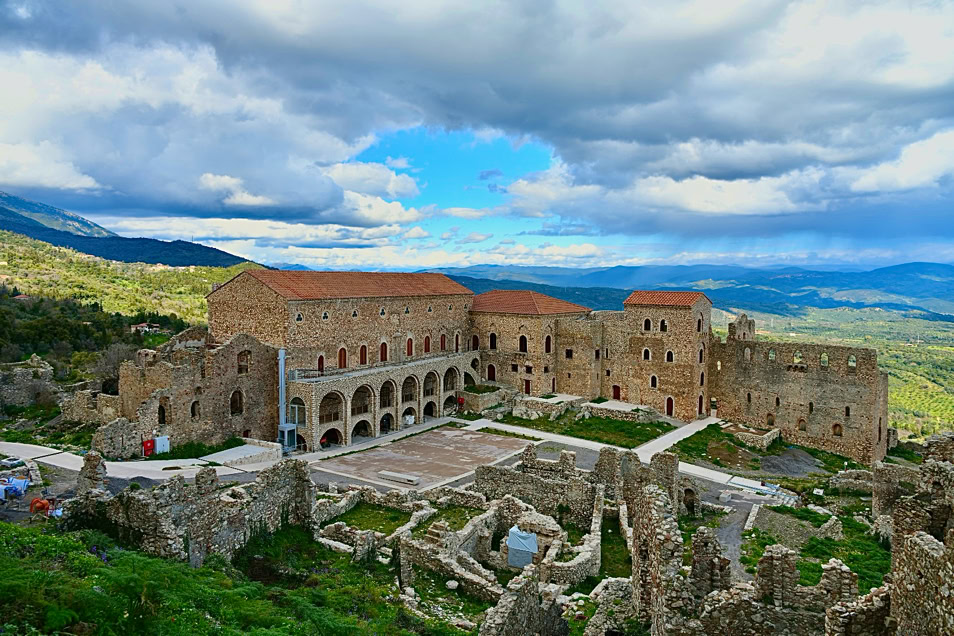
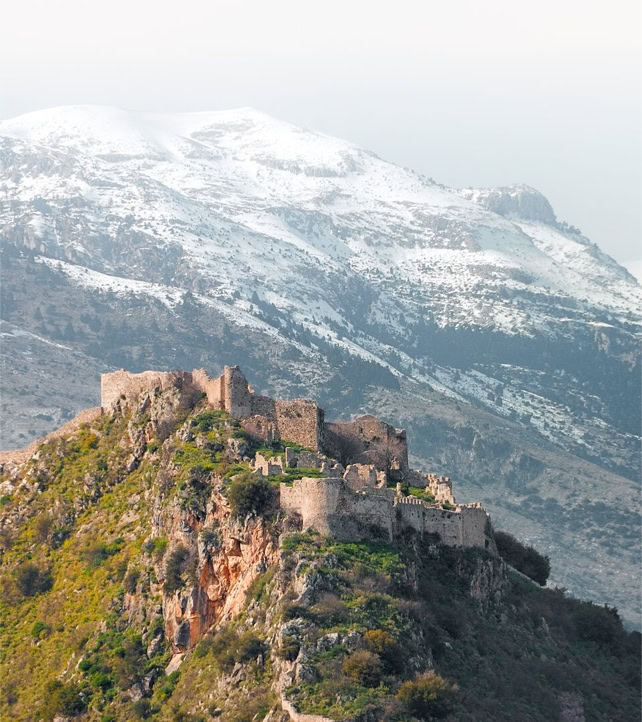
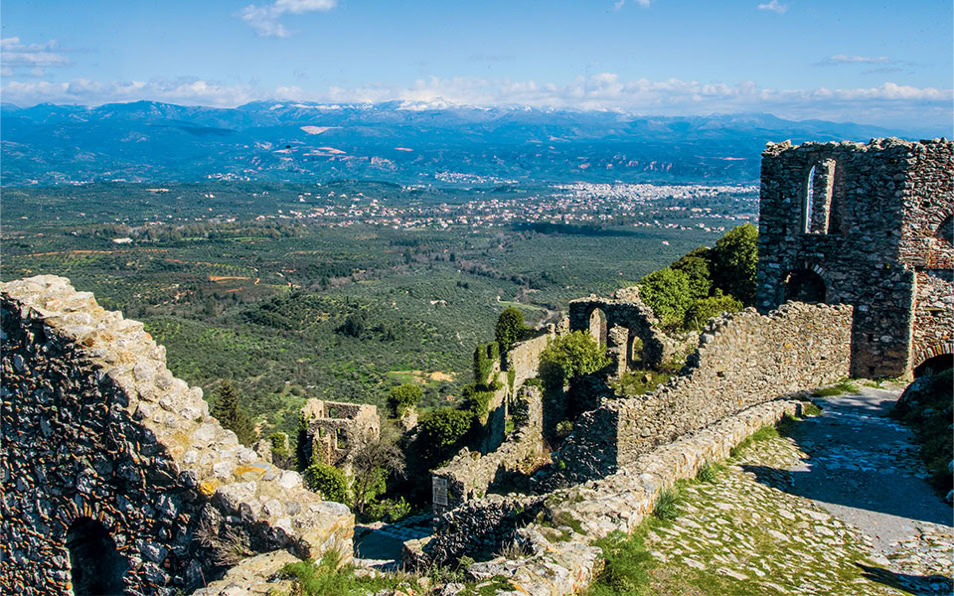
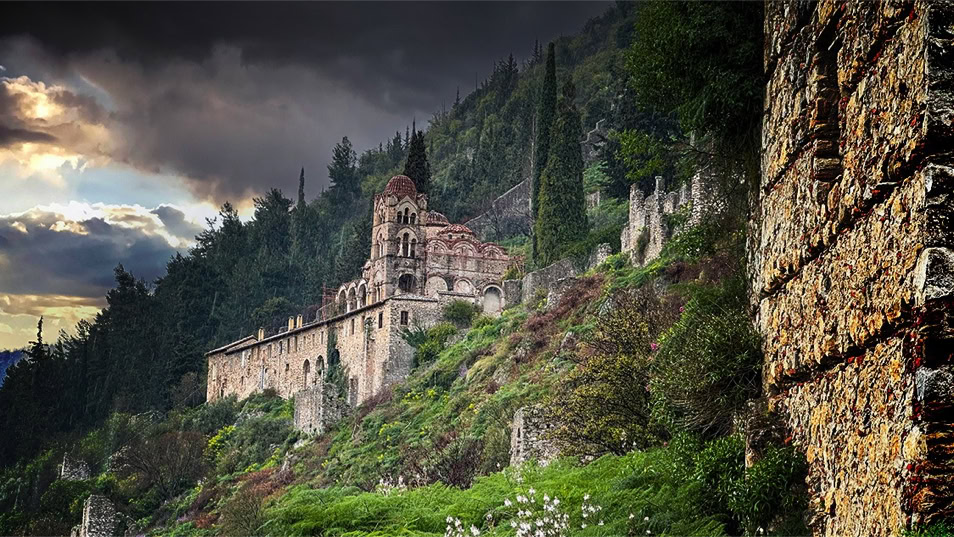
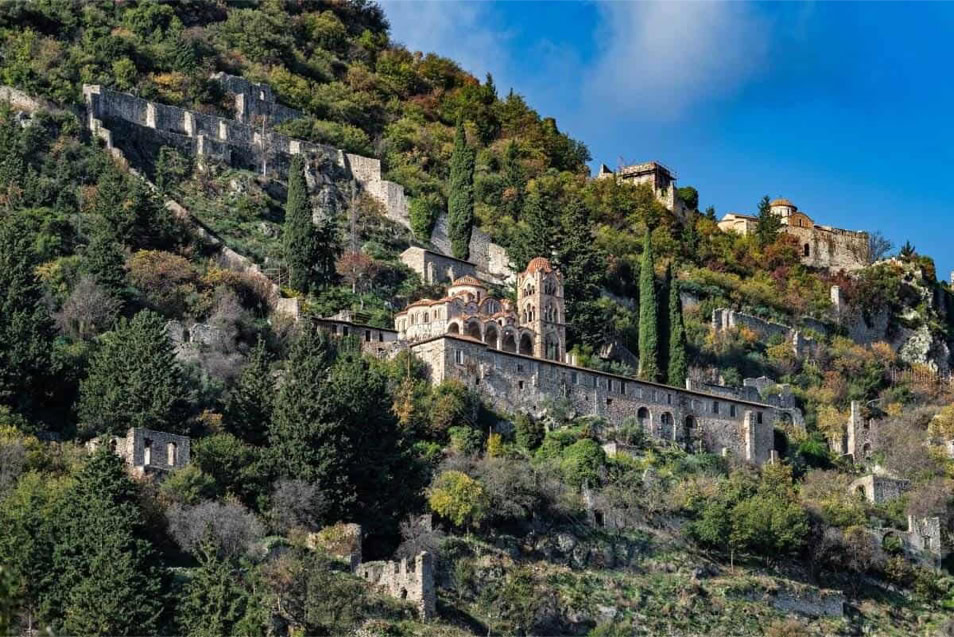
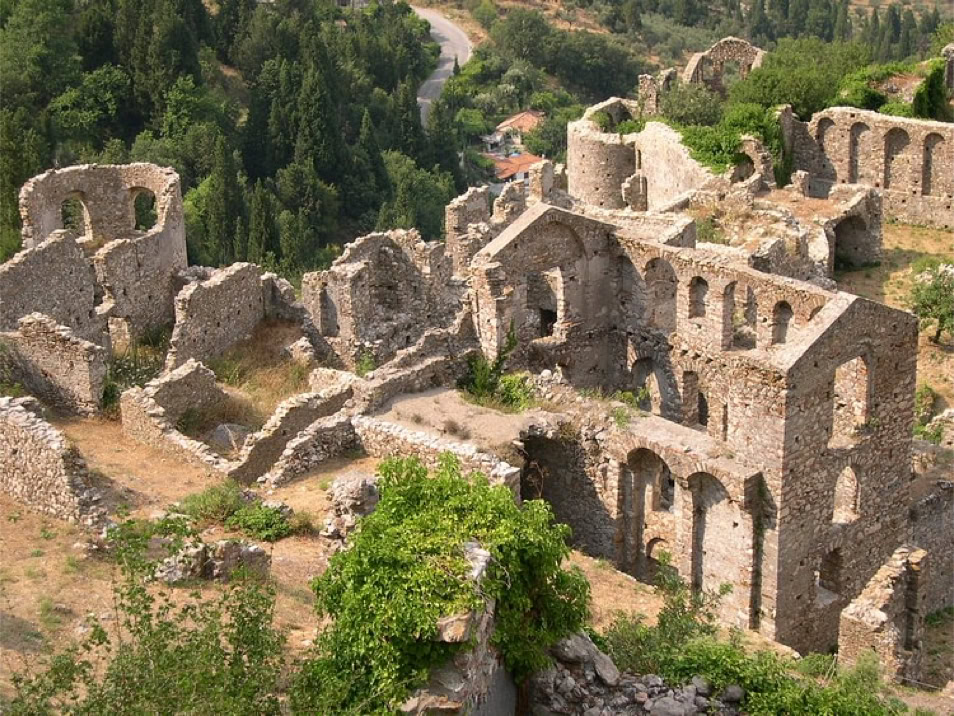
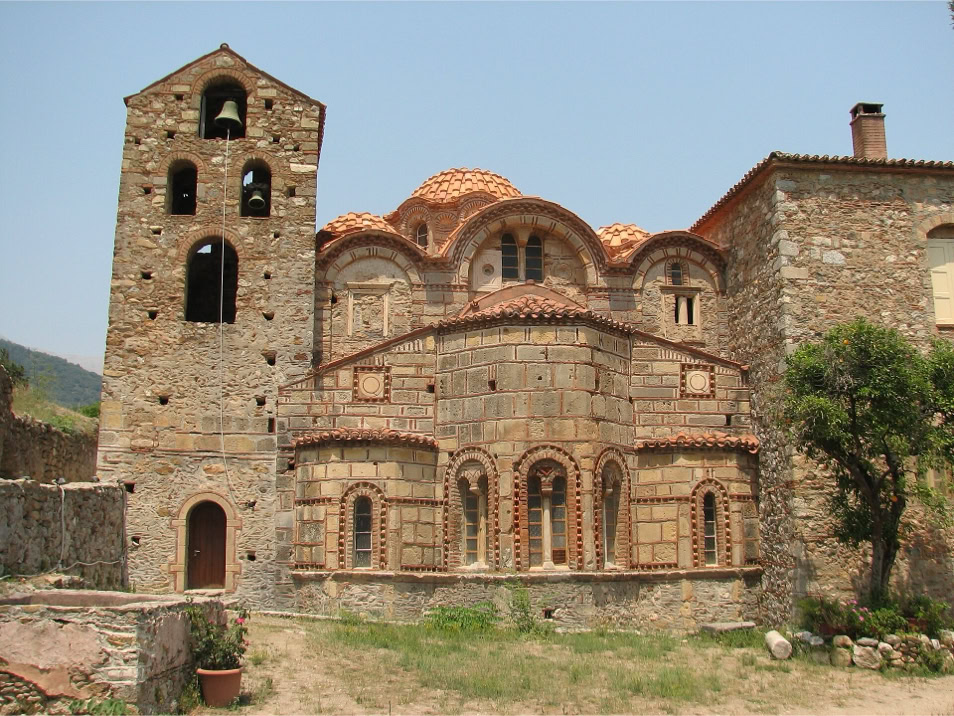
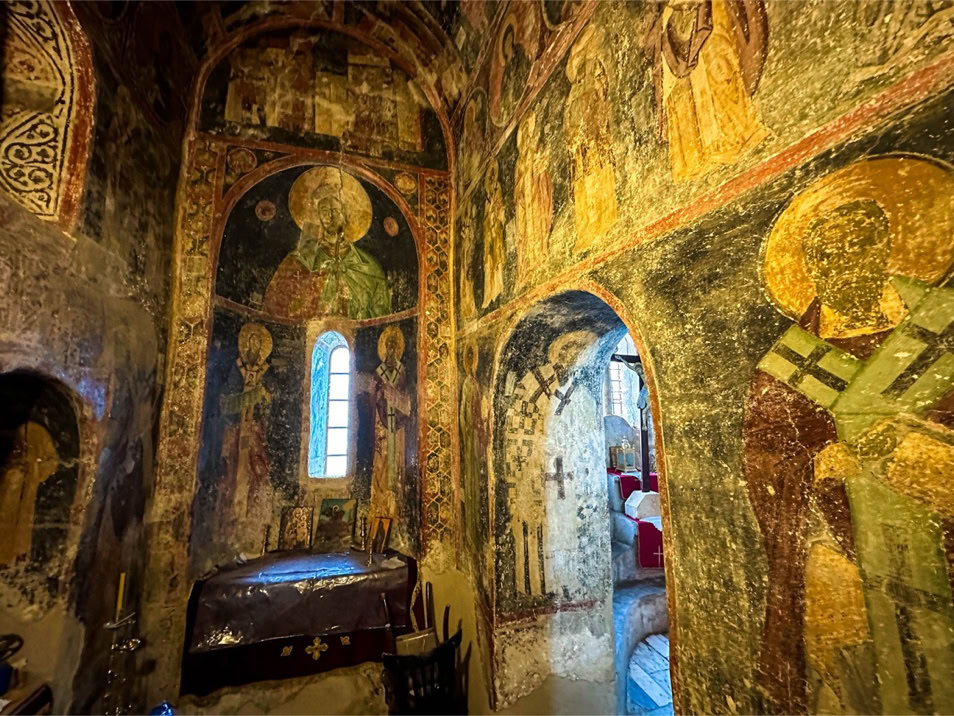
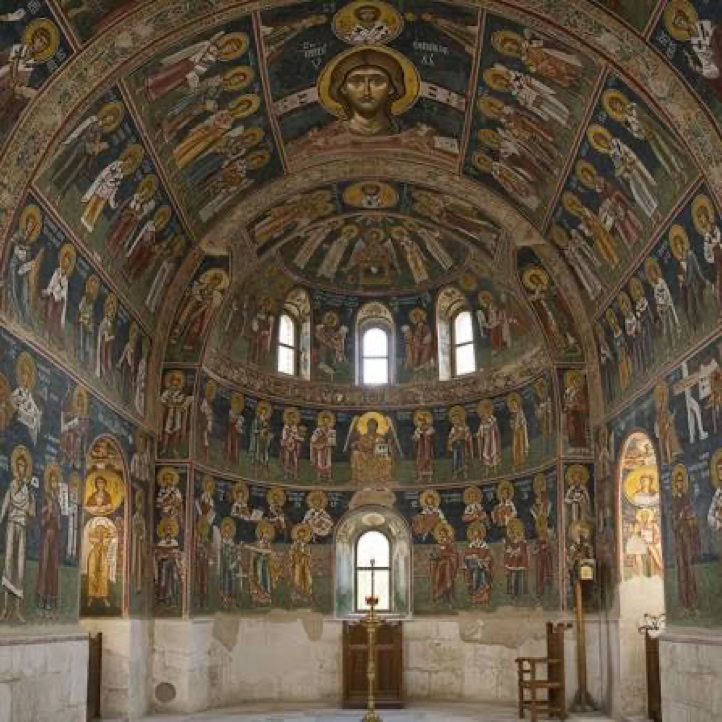
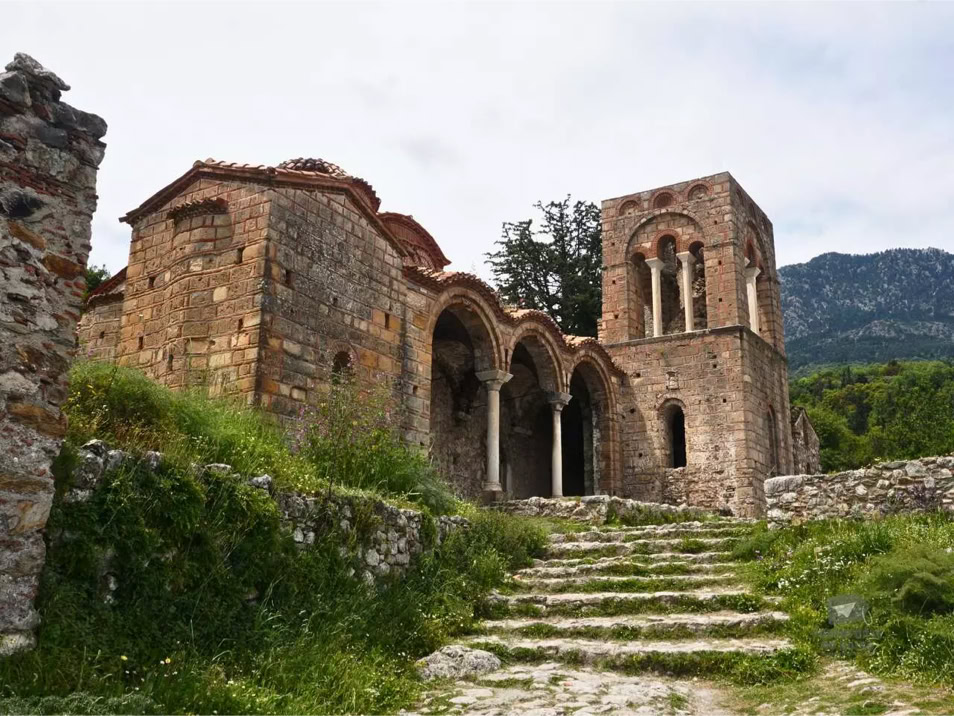
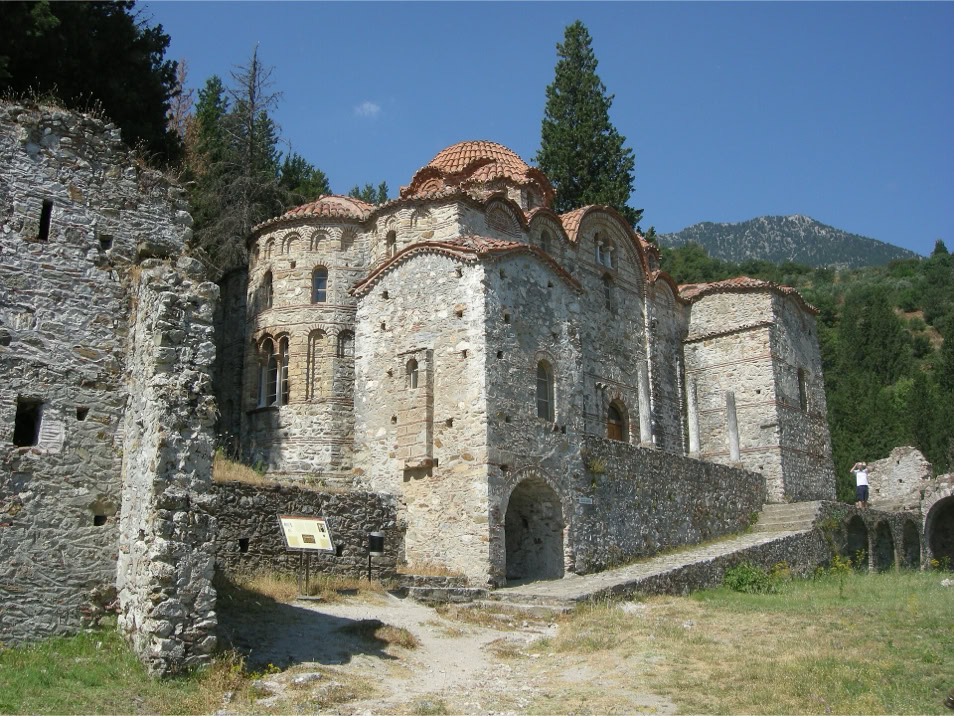
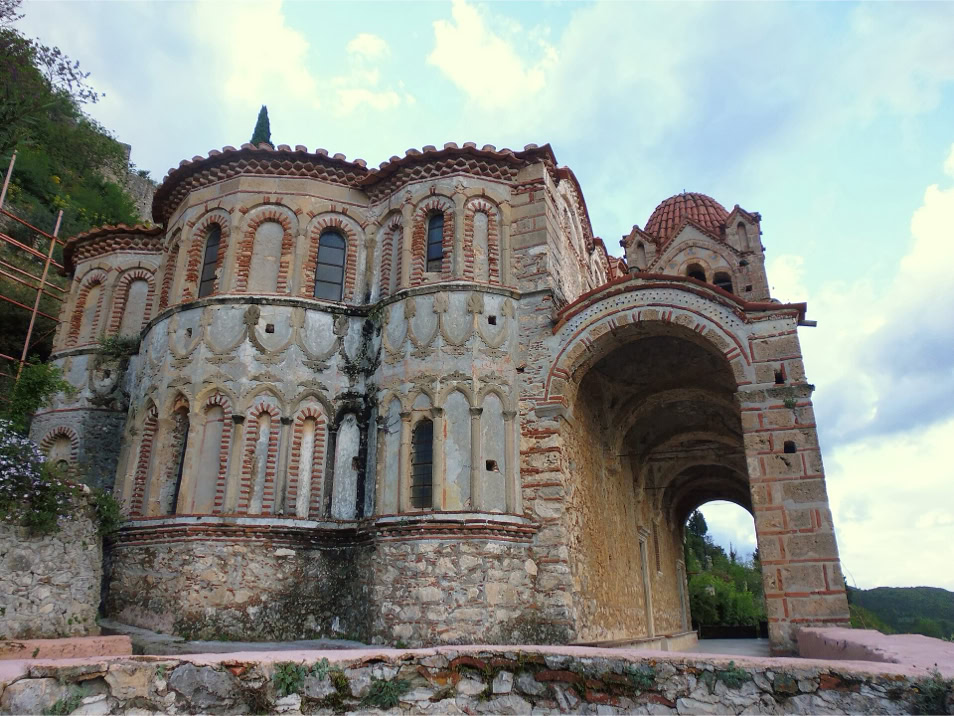
Founded in 1249 as a fortress by the Frankish prince William II of Villehardouin Mystras is a stunning medieval ruined city in the Peloponnese region of Greece. located on a steep hill of Mount Taygetos just 5 miles southwest of modern Sparta. Known as the "wonder of the Morea or Peloponnese,” it served as a major political and cultural capital of the Byzantine Empire in the 14th and 15th centuries attracting artists, architects, and intellectuals. Mystras remained inhabited throughout the Ottoman Period when many foreign travelers mistook it for ancient Sparta. In the 1830s, it was abandoned and the new town of Sparta was built.
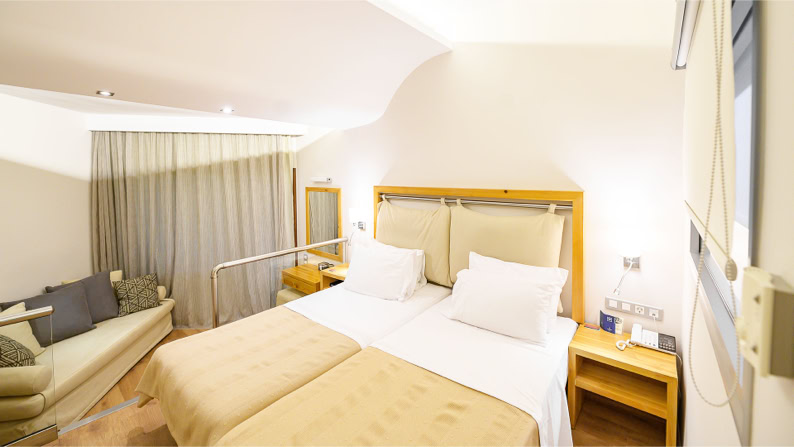
OVERNIGHT AT THE BYZANTION HOTEL IN MYSTRAS
DAY 3: MONDAY, MAY 31 - TOUR MANI PENINSULA
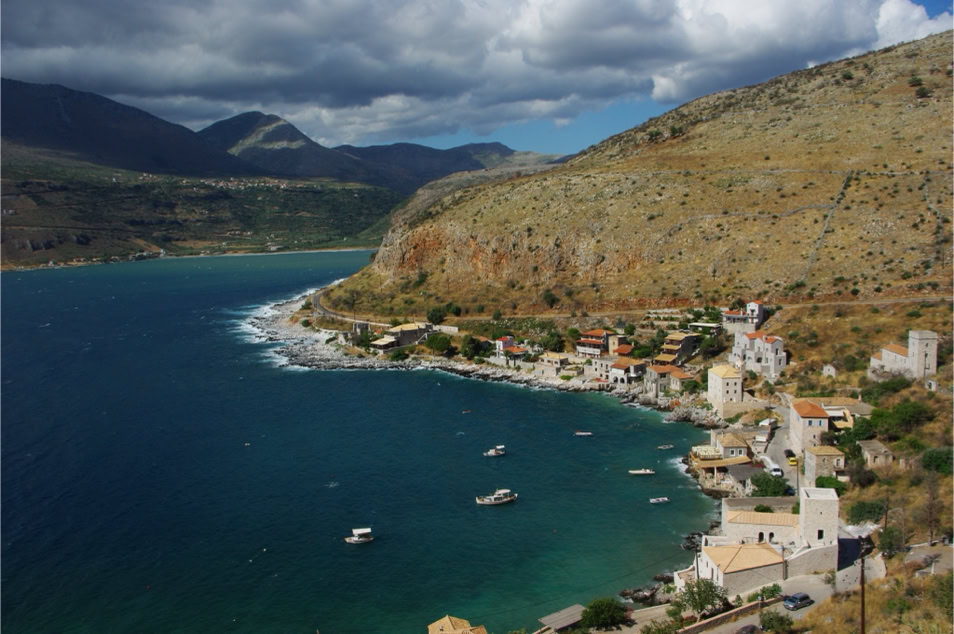
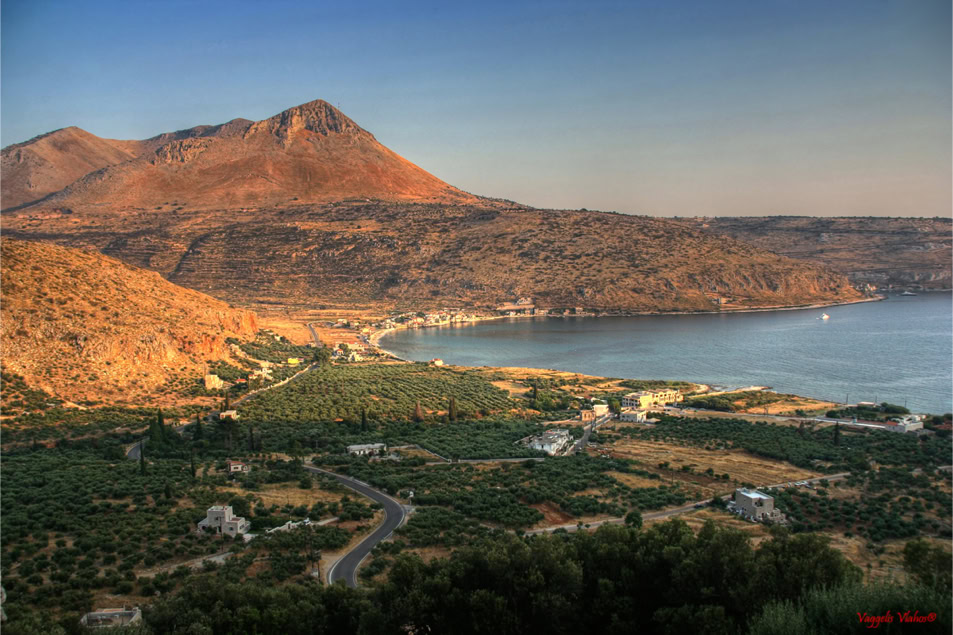
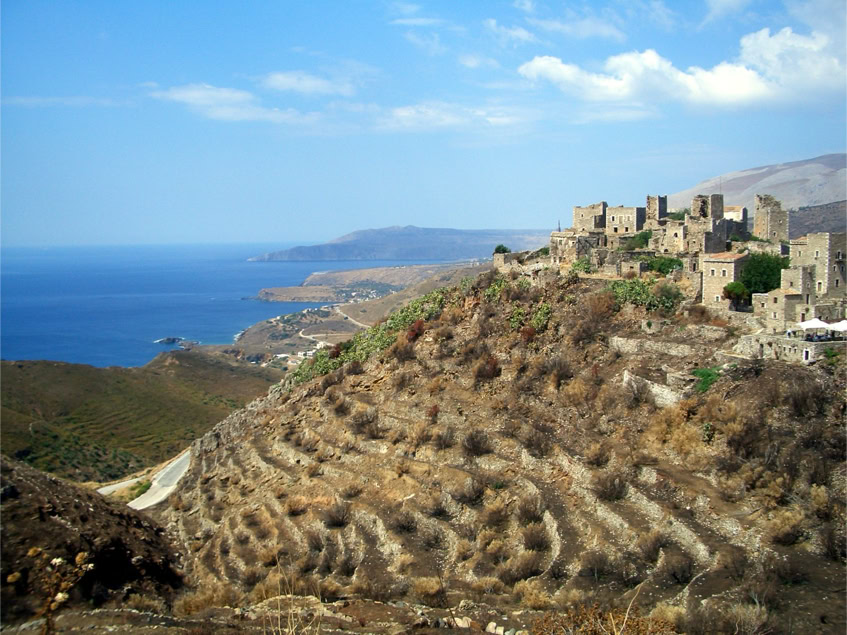
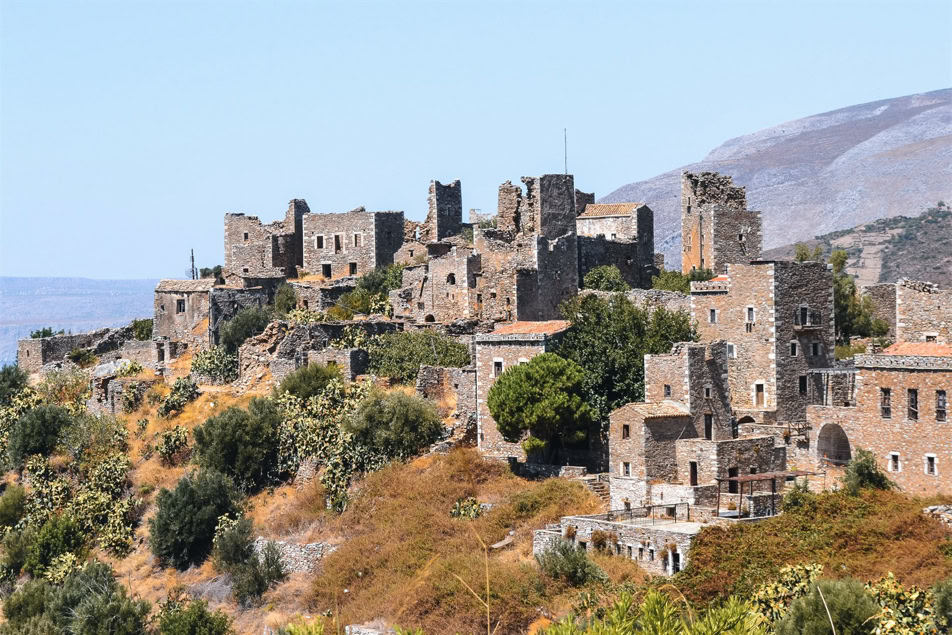
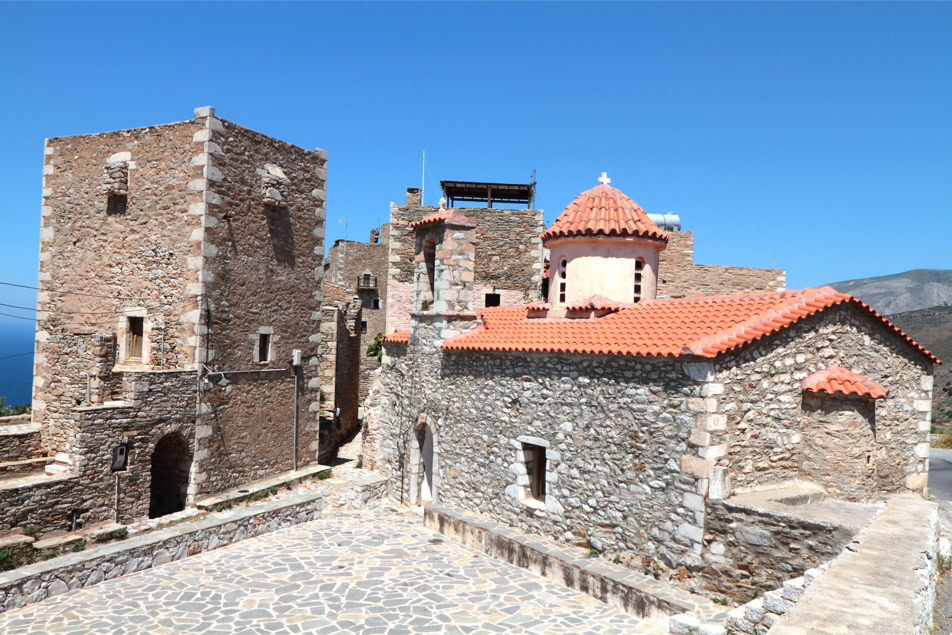
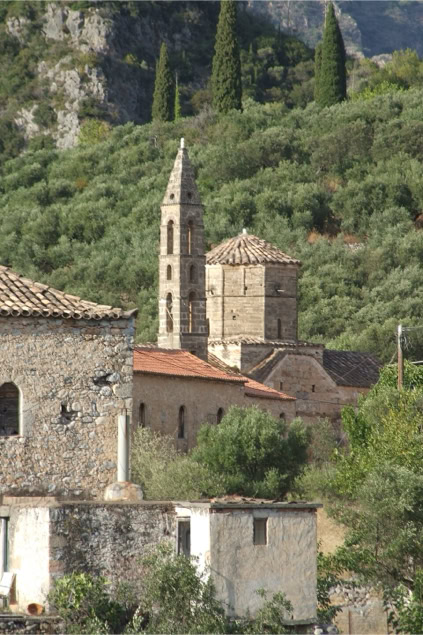
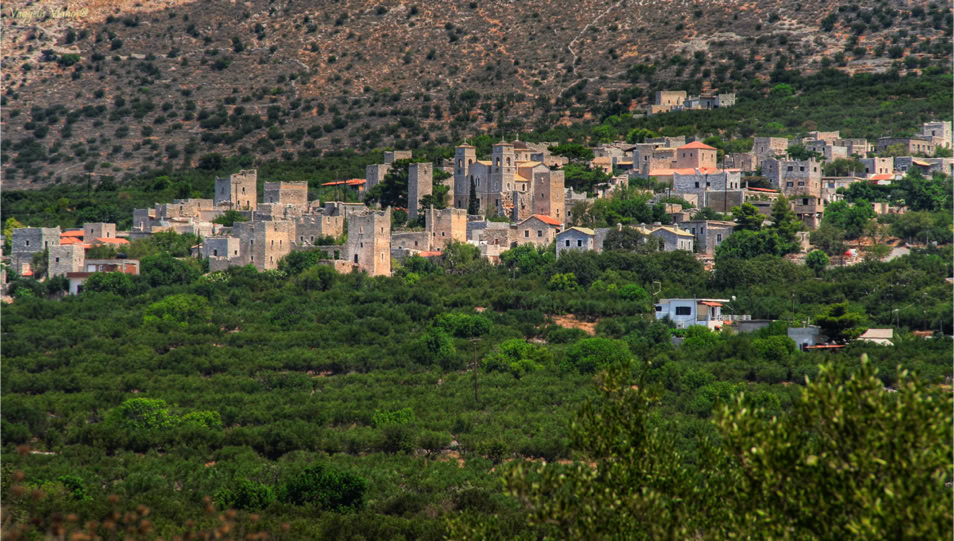
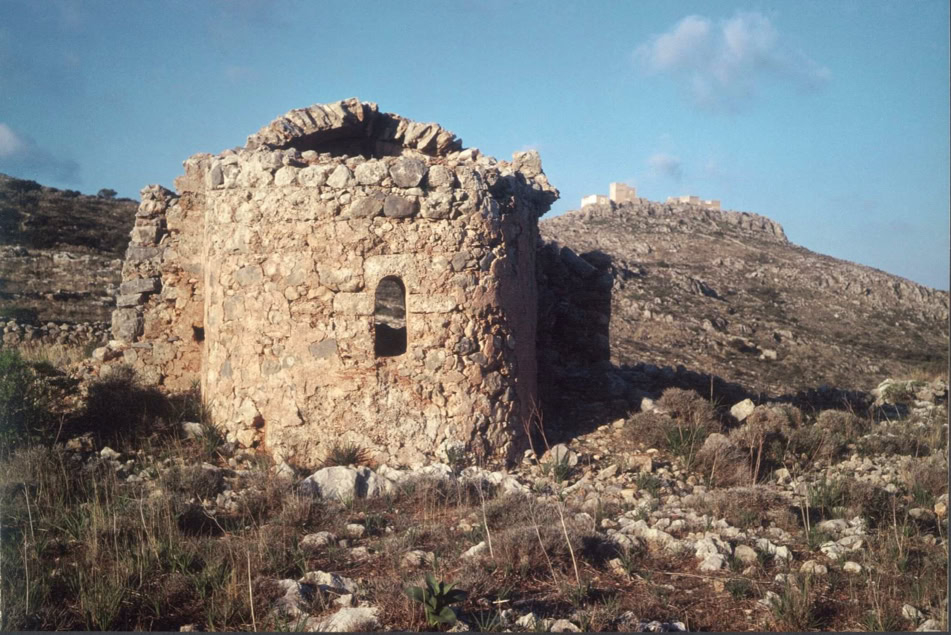
The Mani Peninsula is the southern extension of the Taygetus Mountain range. It is a rocky, mountainous region 28 miles long extending to Cape Matapan, the southernmost point of mainland Greece. In ancient times, the region was part of the Spartan domain. Its inhabitants, the Maniots, are traditionally famed for their fierce independence and claim to be descended from the ancient Spartans. Genetic studies suggest the Maniots may well be descended from the ancient Dorians. The Mani is famous for tall stone tower houses built by local clans for defense during the turbulent eras from the late 14th century through the early 17th century. The Maniots played a major role in the 19th century Greek War of Independence.
DAY 4: TUESDAY, JUNE 1, MORNING, MYSTRAS TO EPIDAURAS
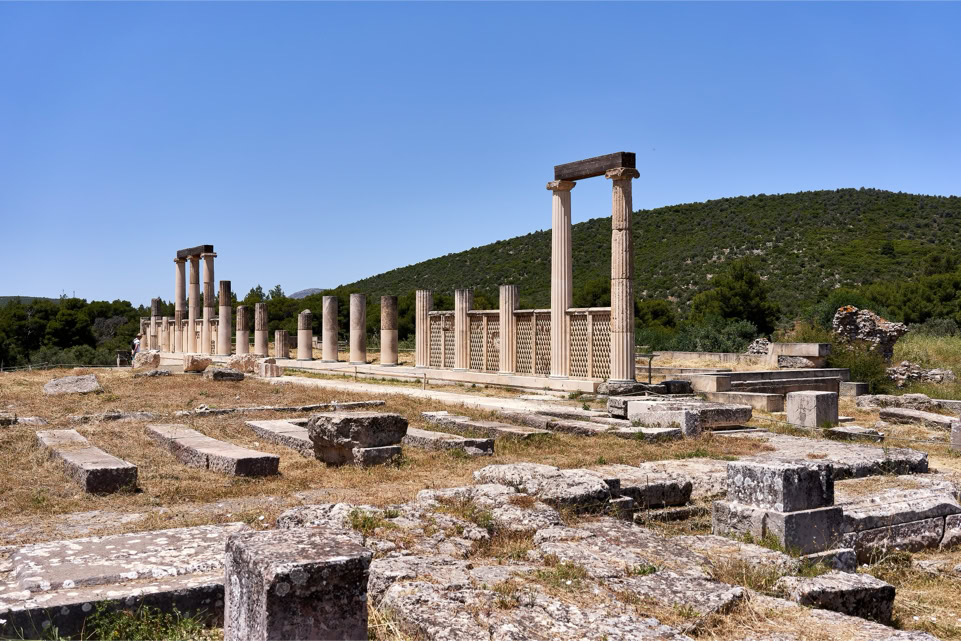
EPIDAURAS
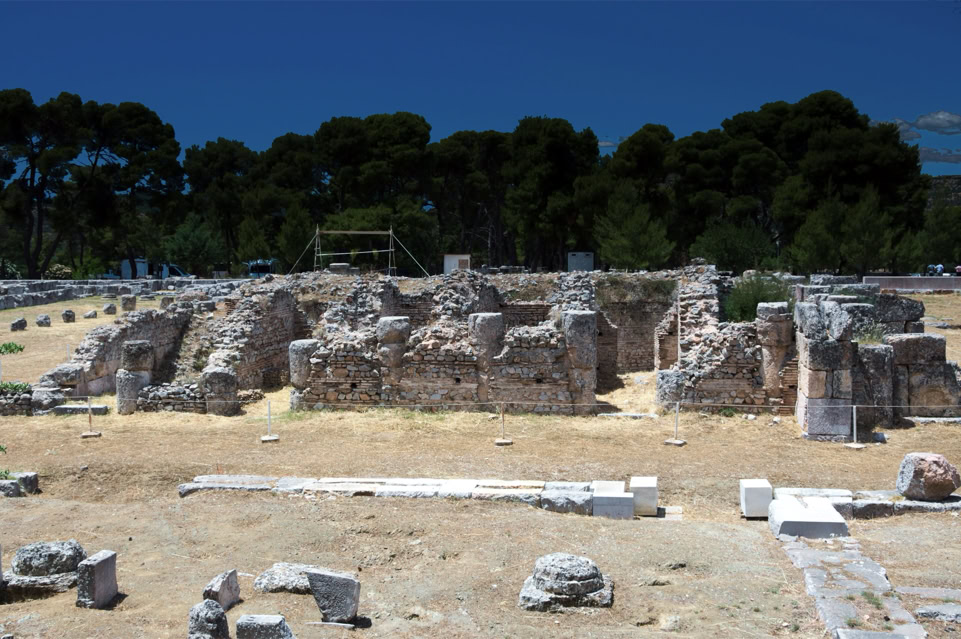
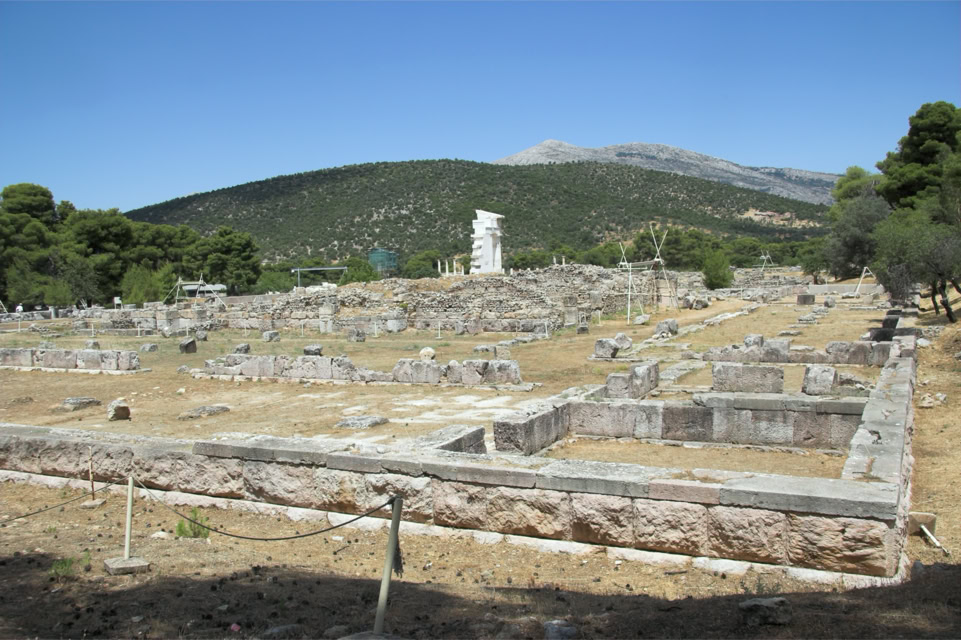
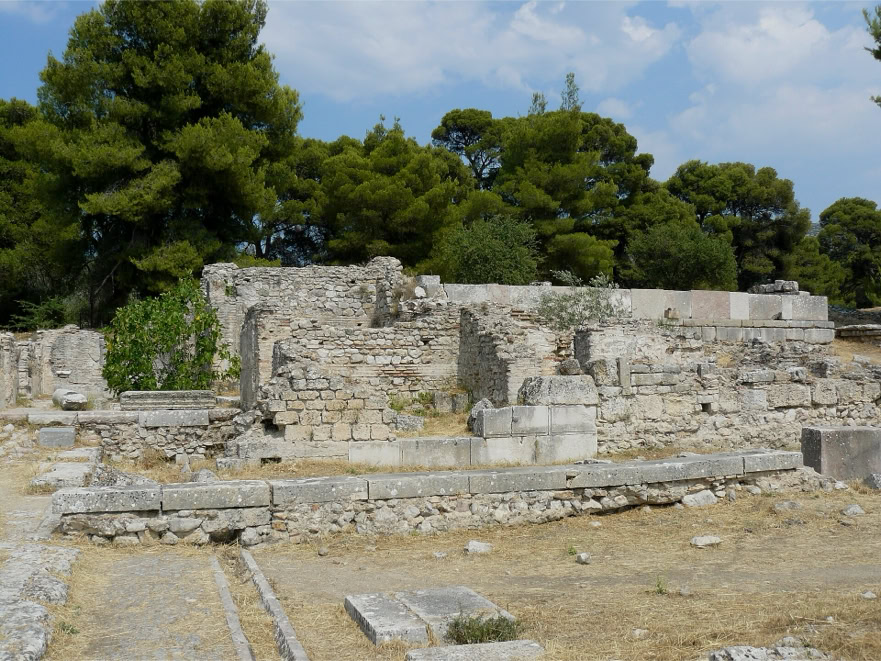
THE ASKLEPION
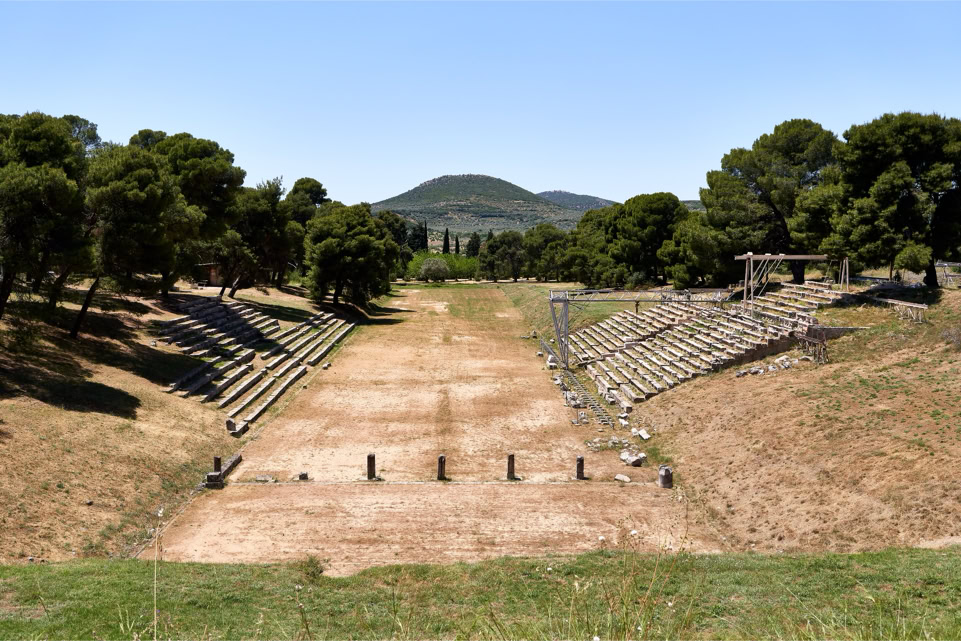
Epidaurus is an ancient Greek city and UNESCO WORLD HERITAGE SITE famous for its majestic sanctuary of healing (the Asklepion) and its perfectly preserved theater.
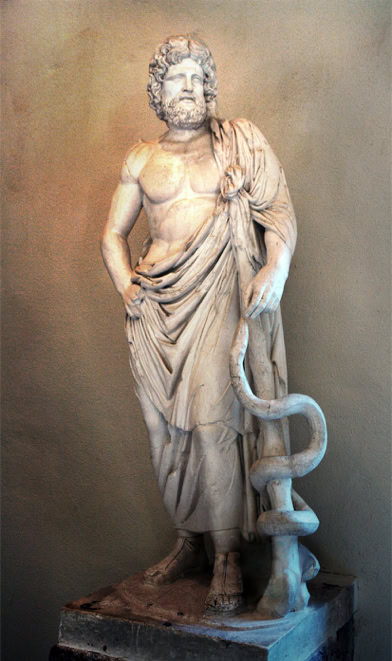
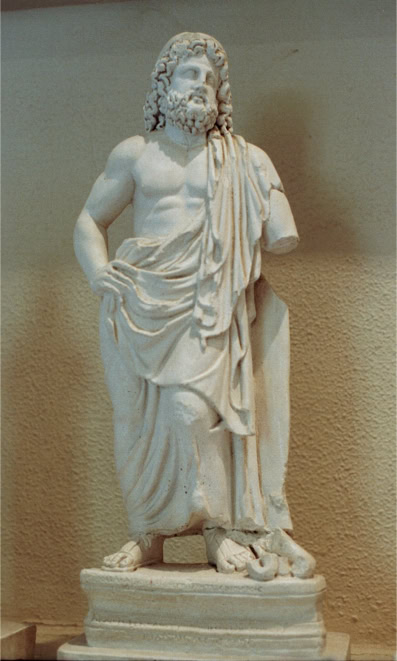
Epidaurus is best known for its healing sanctuary of Asclepius. Known as the ultimate healing center of the ancient Greco-Roman world, dedicated to the God of Medicine it served as a cradle for modern scientific medicine.
Asclepius was the most important healer god of antiquity, and brought prosperity to the sanctuary, which flourished until the first century BC. The sanctuary at Epidaurus was the rival of such major cult sites as the sanctuary of Zeus at Olympia and Apollo at Delphi. The prosperity brought by the Asklepion enabled Epidaurus to construct civic monuments, including its huge and famous theater.
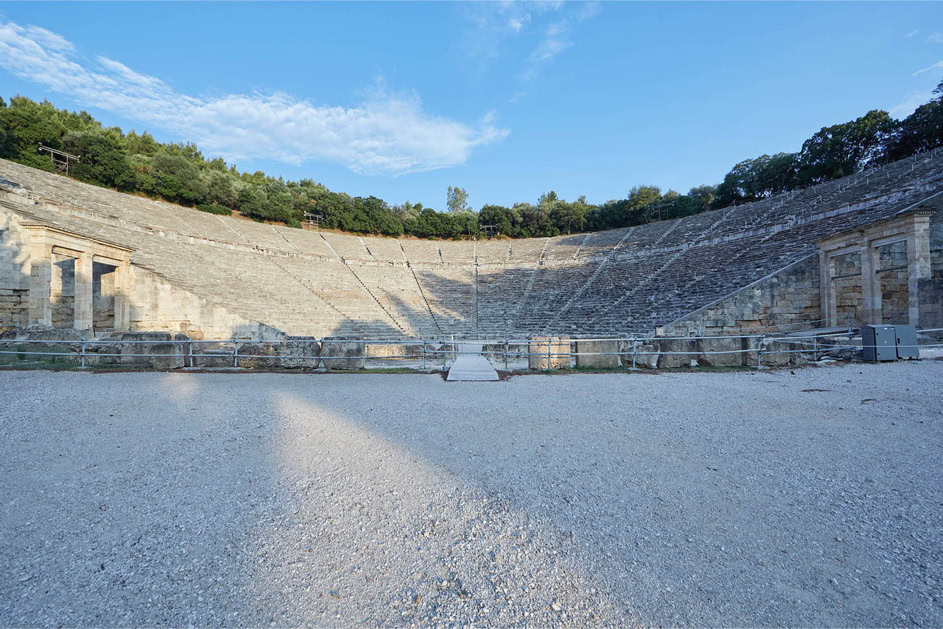
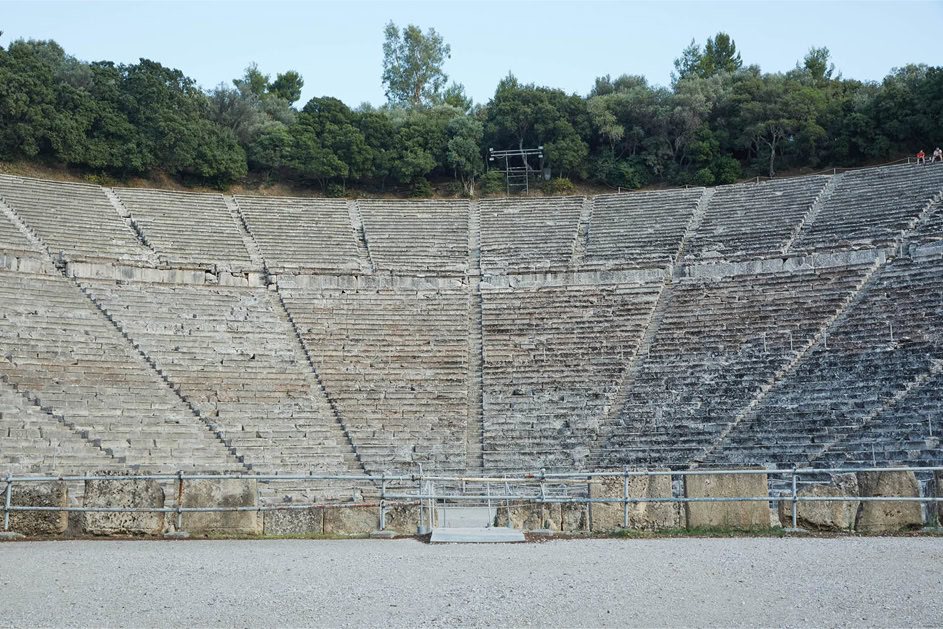
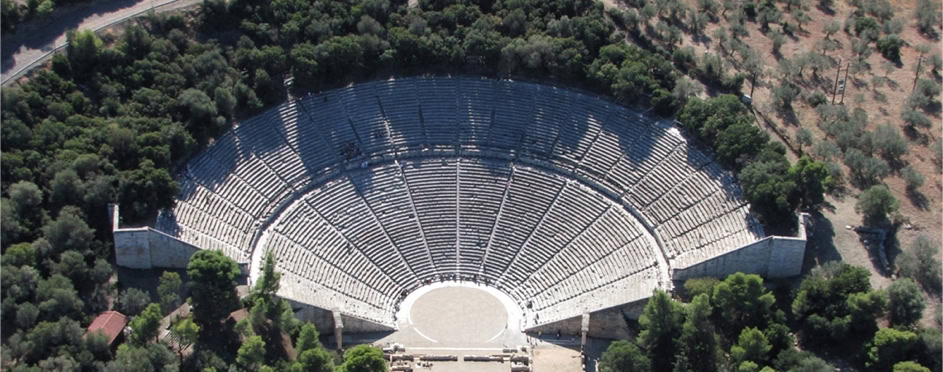
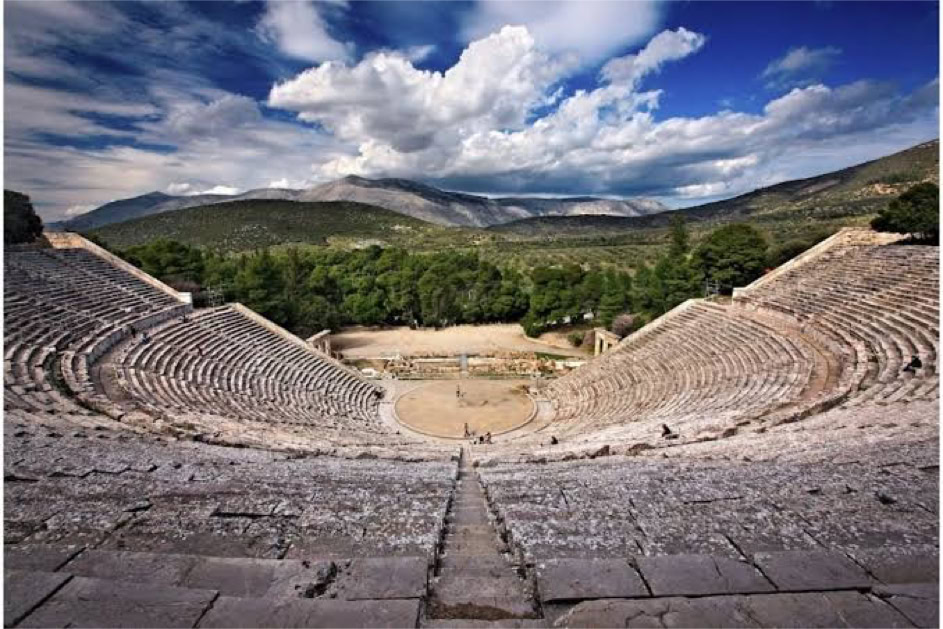
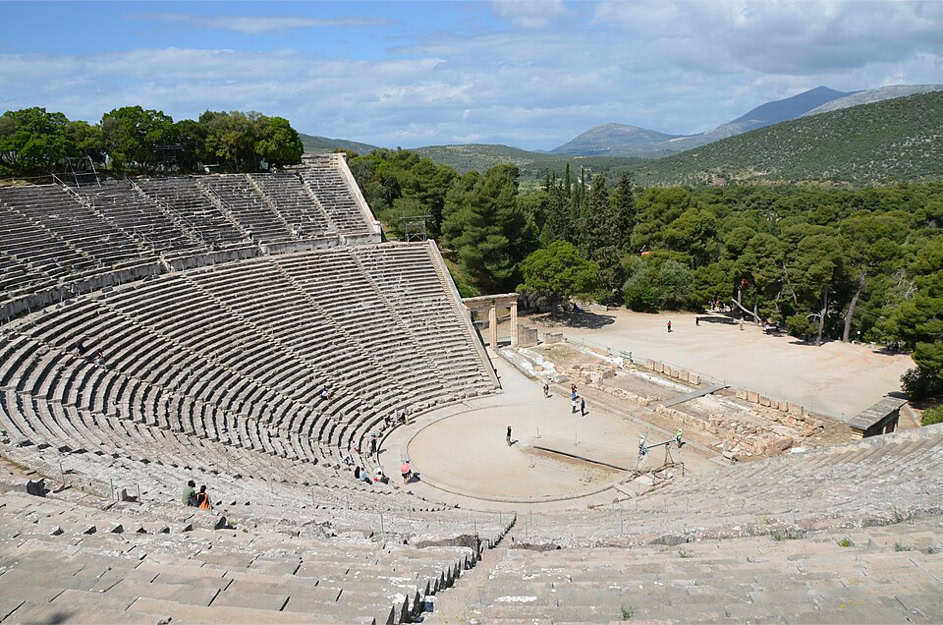
THE THEATER OF EPIDAURUS
Built in late 4th century BC, the amphitheater seats up to 14,000 spectators. It is world-renowned for its flawless acoustics and is the most perfect ancient Greek theatre regarding its acoustics and aesthetics. The seats are made with a corrugated surface which acts as an acoustic filter picking up sounds from the theatre instead of surrounding sounds. The Theatre is considered the grandest and best-preserved in all of Greece and an UNESCO World Heritage Site with the Temple of Asclepius. Today, Epidaurus attracts many Greek visitors and is used for the performance of ancient drama plays.
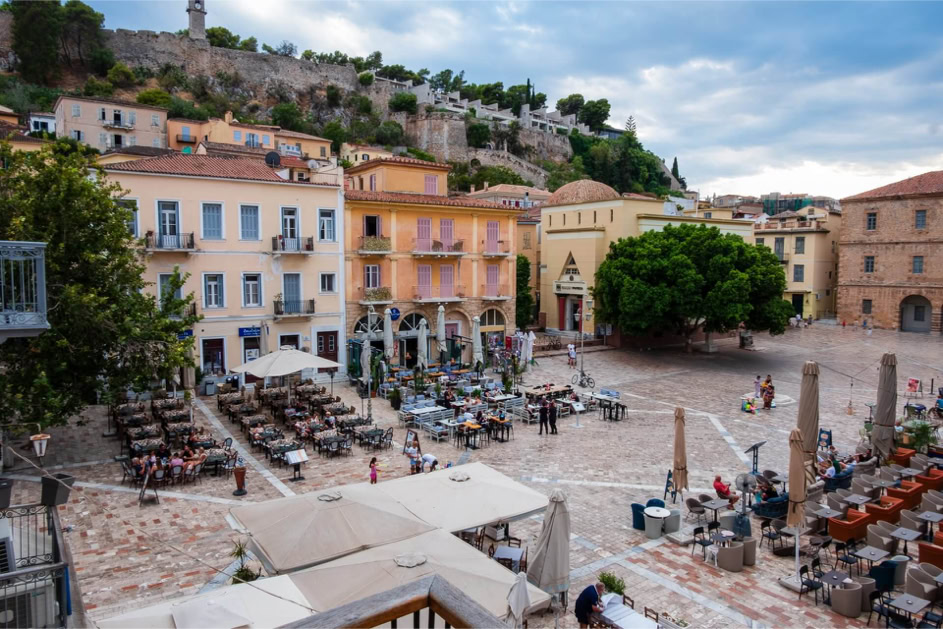
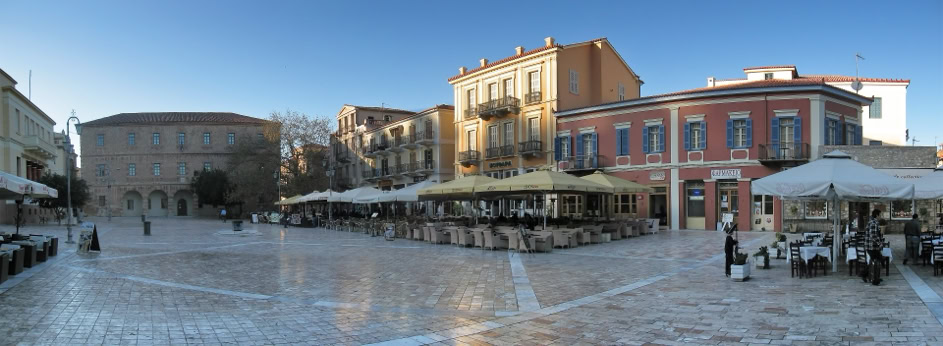
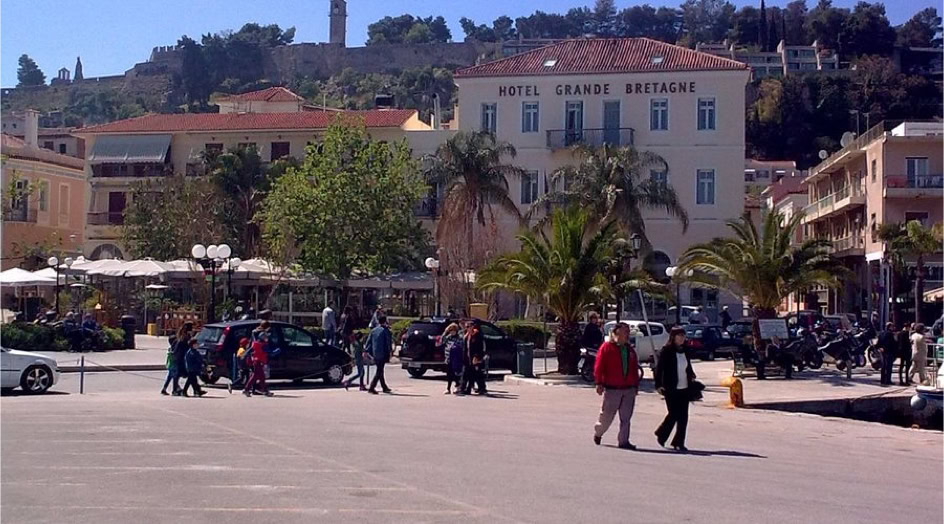
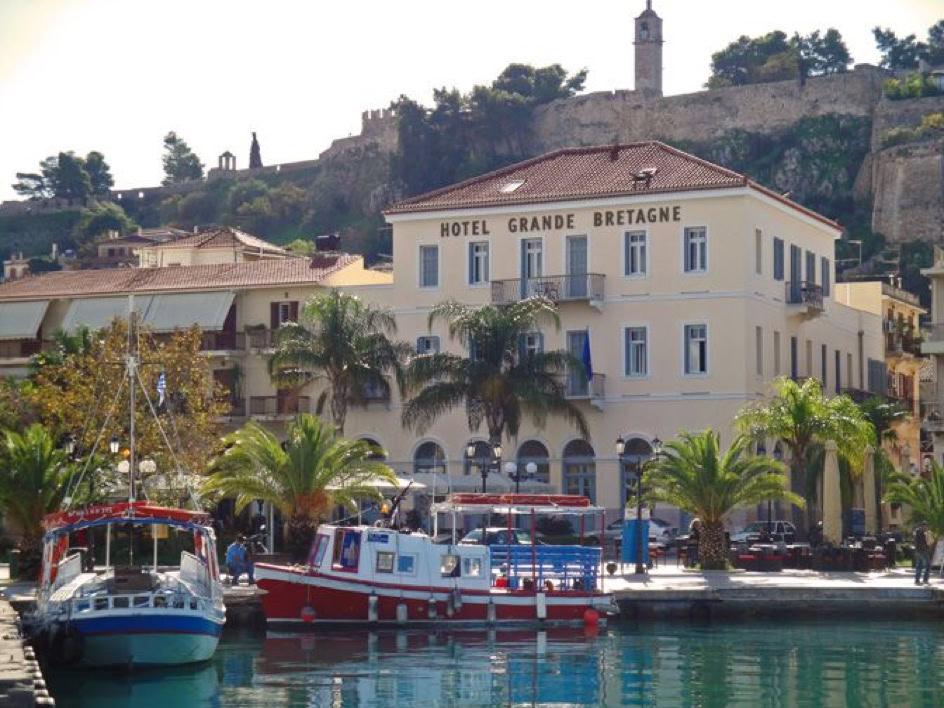
AFTERNOON EPIDAURUS TO NAFLION FOR LUNCH AND TO CHECK INTO HOTEL GRANDE BRETAGNE IN THE OLD TOWN
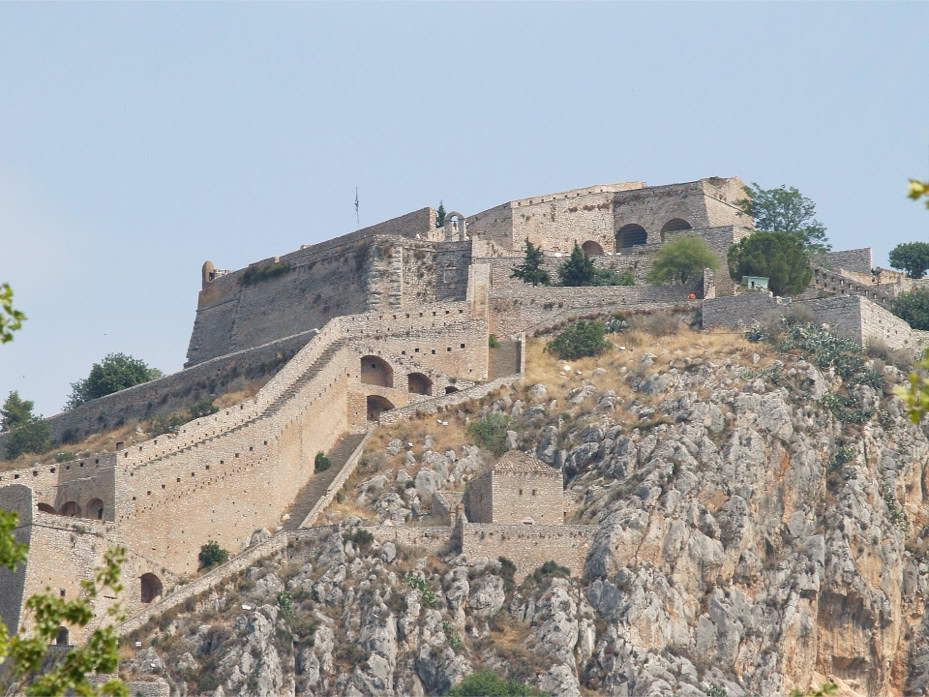
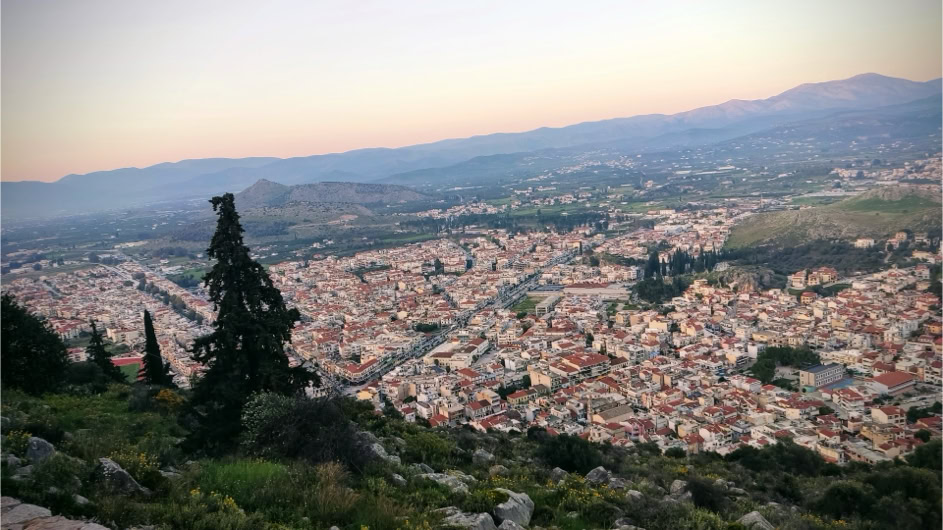
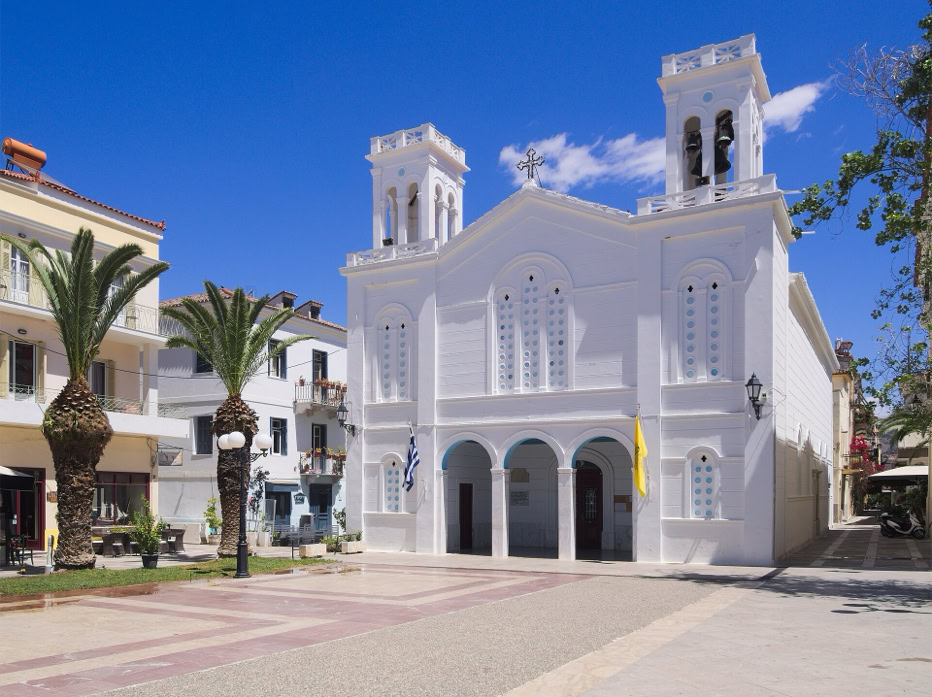
NAFLION
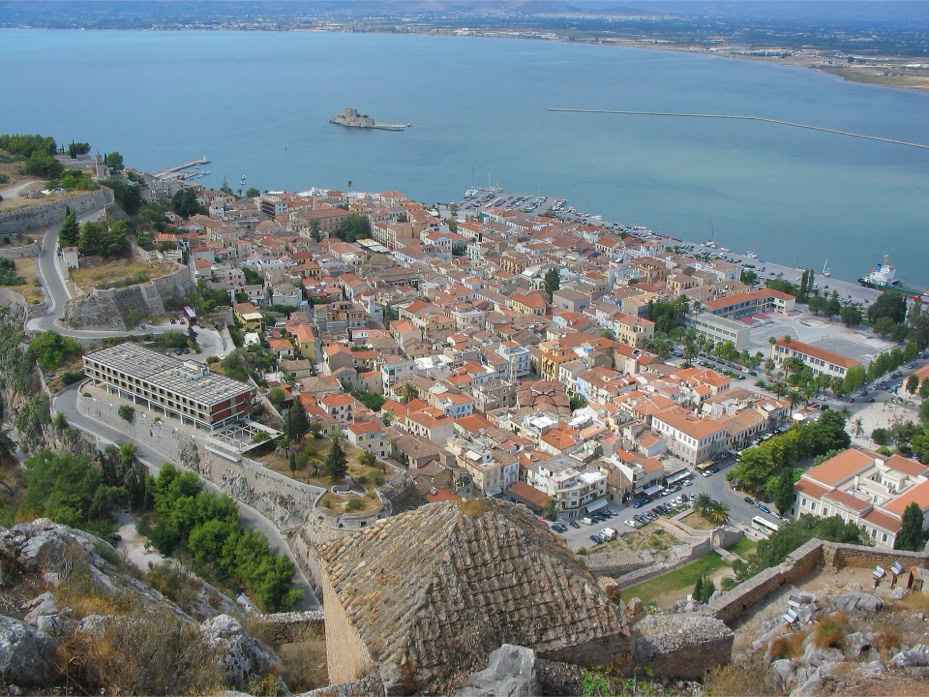
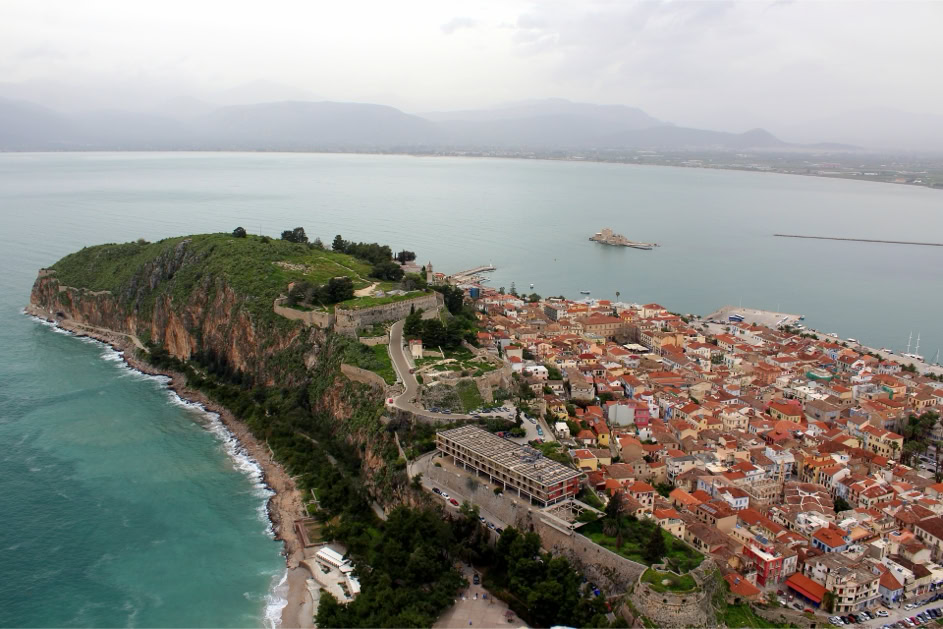
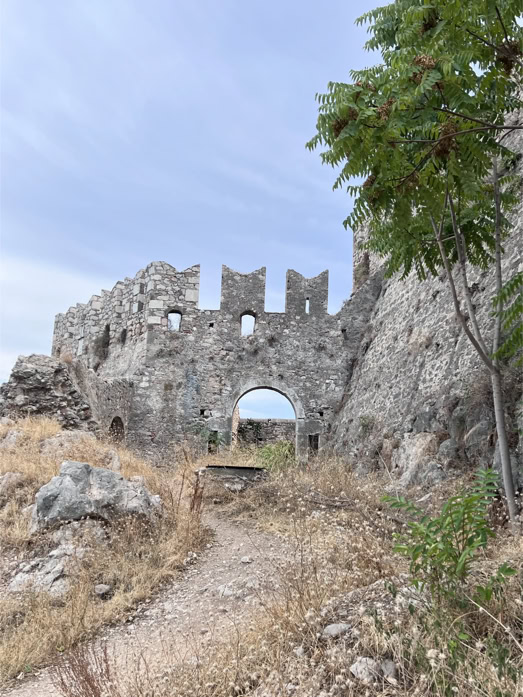
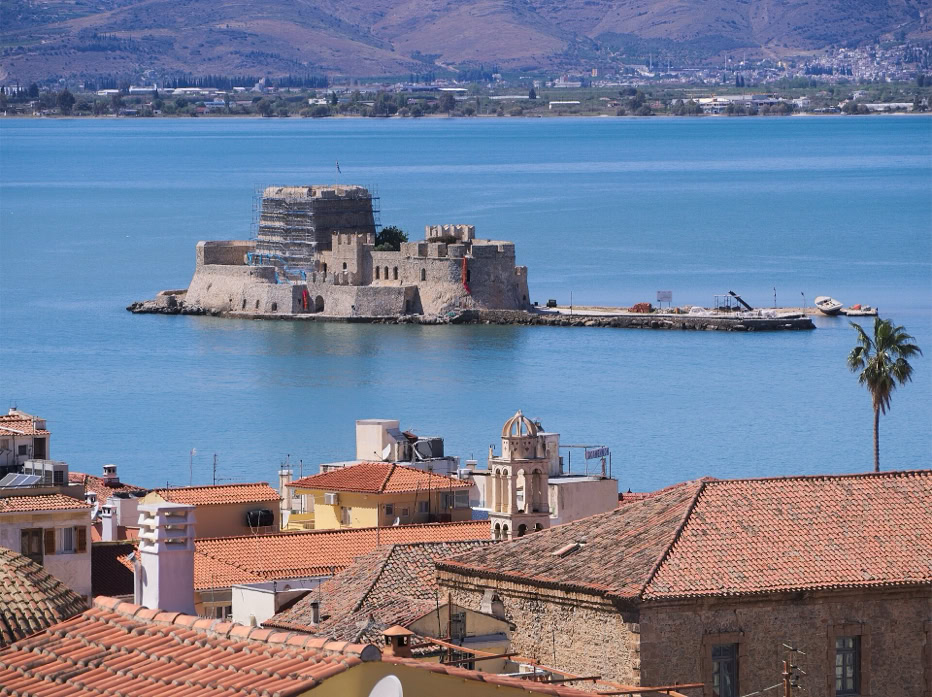
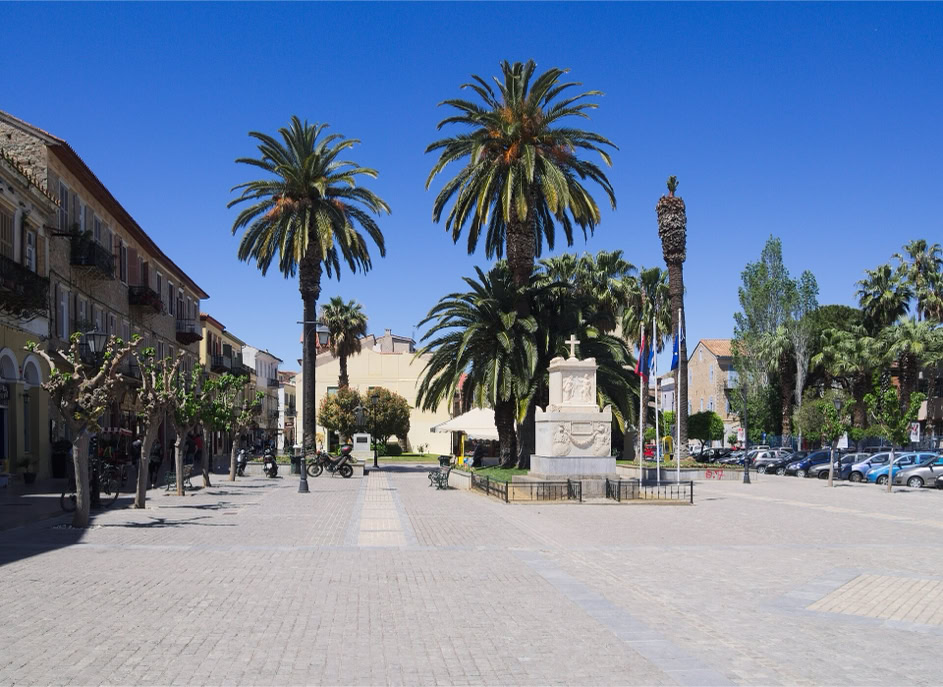
Naflion became an important seaport in the Middle Ages during the period of Frankish occupation 1210 – 1388. In 1388, the Franks sold the city to the Republic of Venice. From the Venetian period is to be found the Bourtzi Island Fortress (1431-33) and the great Palamidi fortress of 1711 – 1714. The Ottoman Empire ruled Naflion during two distinct periods:1540 to 1686 and 1715 to 1822. It later served as the first official capital of the modern Greek state, from 1827 to 1834.
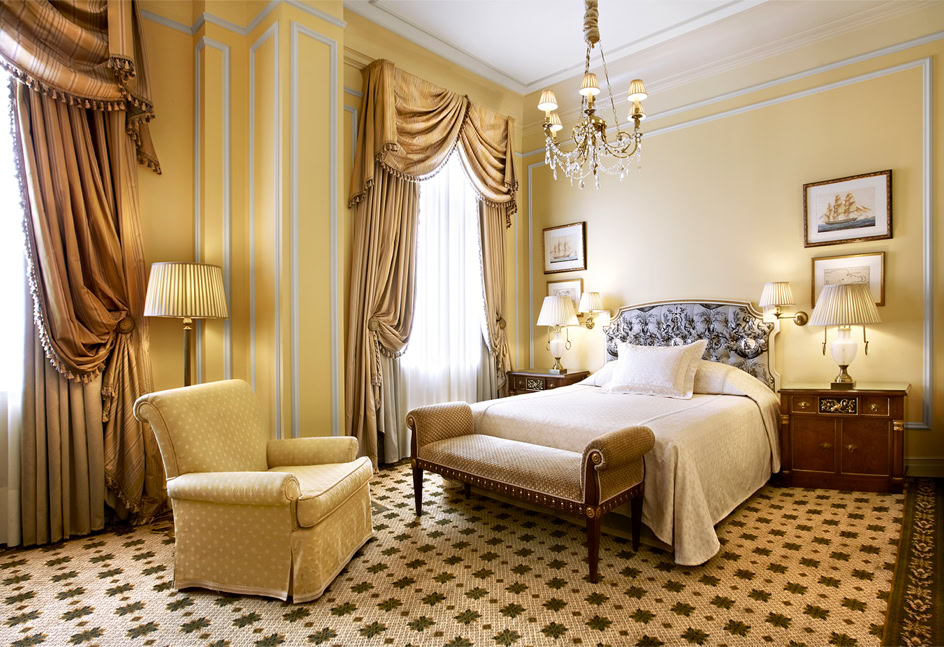
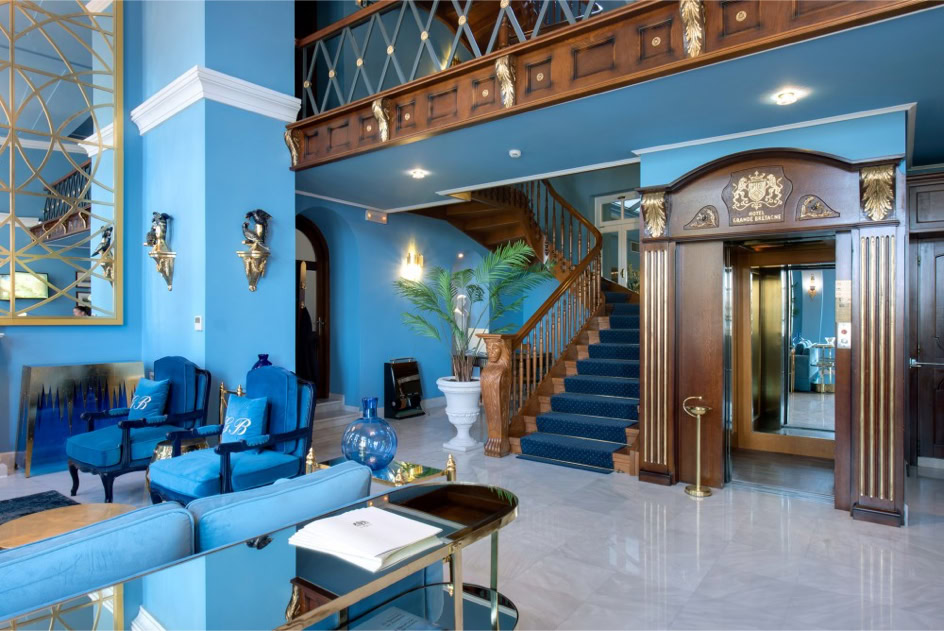
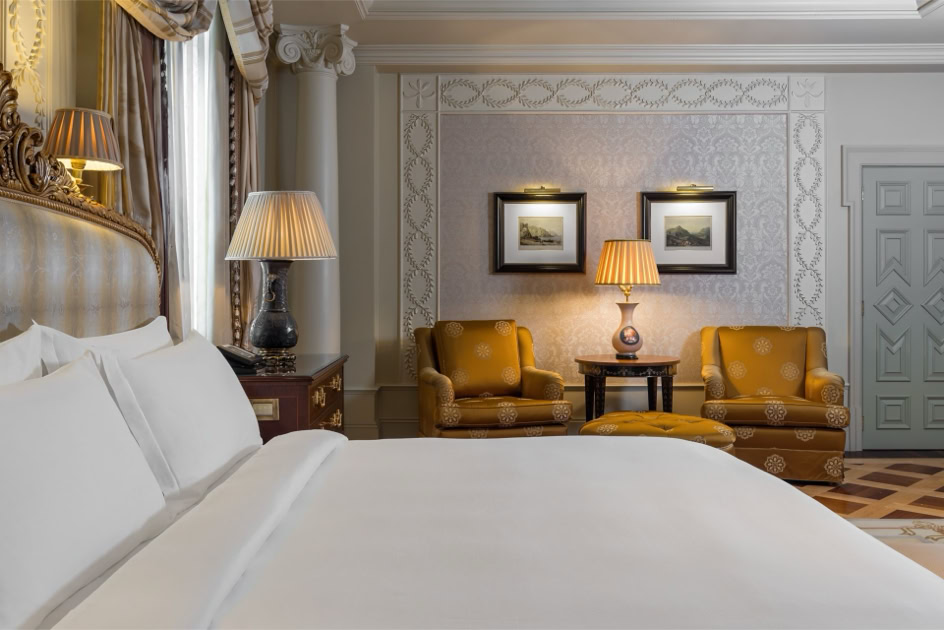
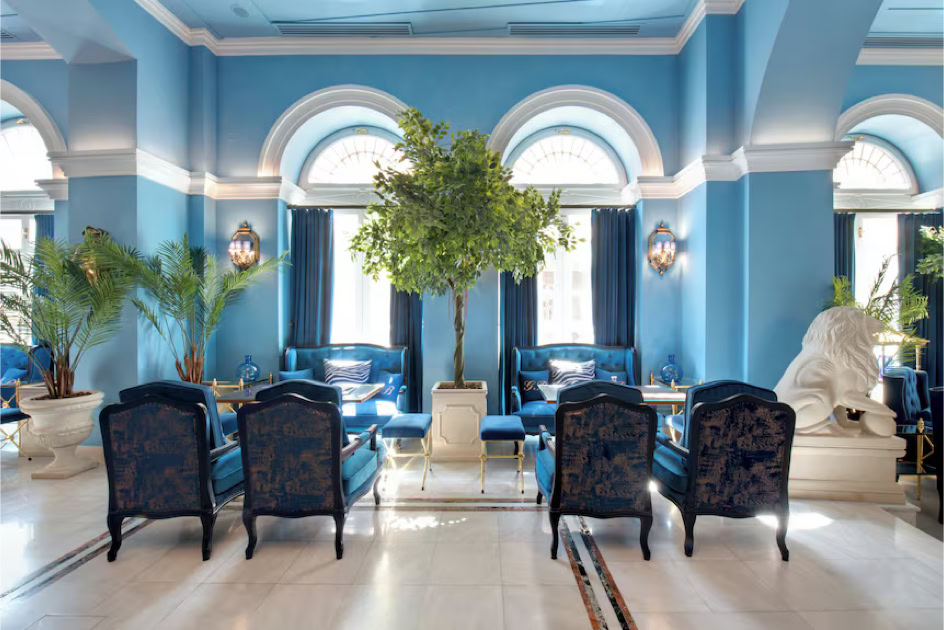
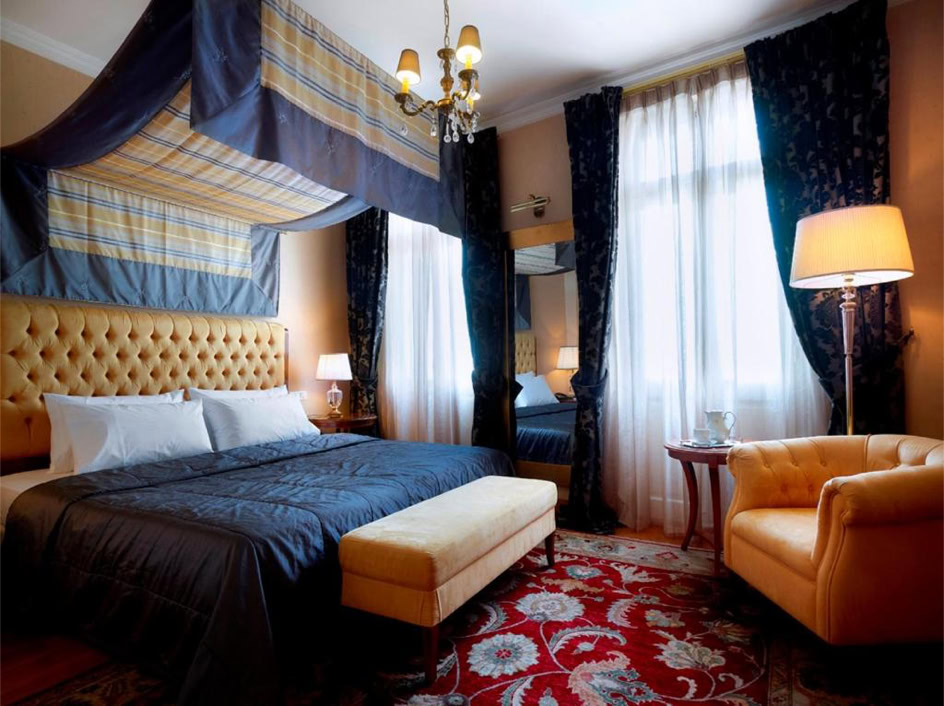
HOTEL GRANDE BRETAGNE
DAY 5: WEDNESDAY, JUNE 2, NAFLION TO ATHENS WITH STOPS AT MYCENAE AND CORINTH CANAL
MYCENAE
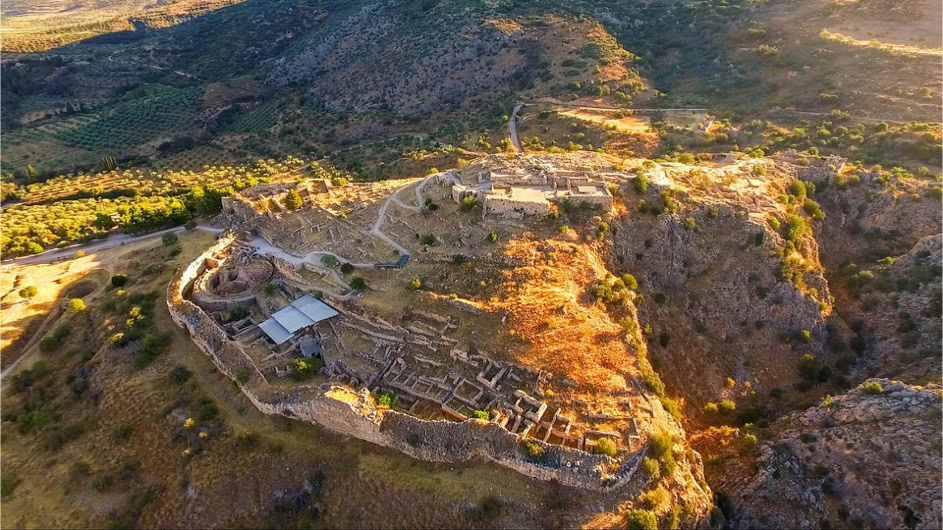
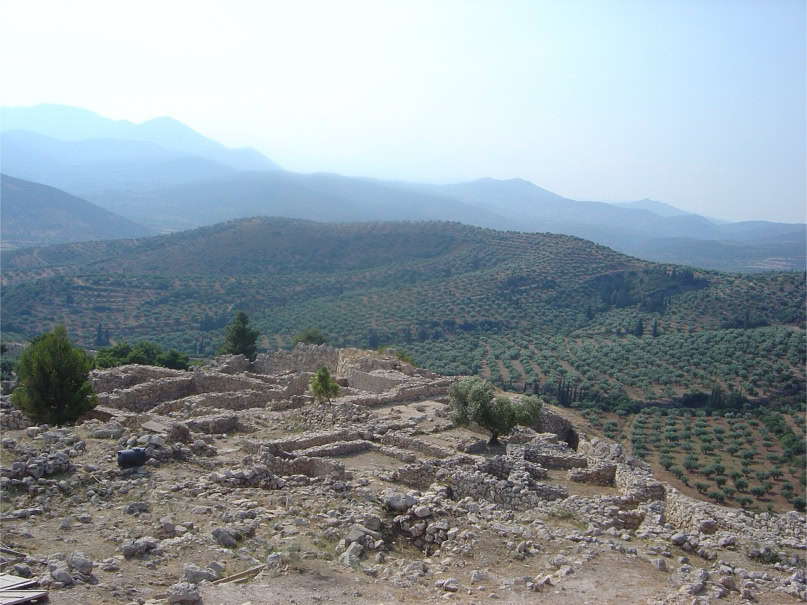
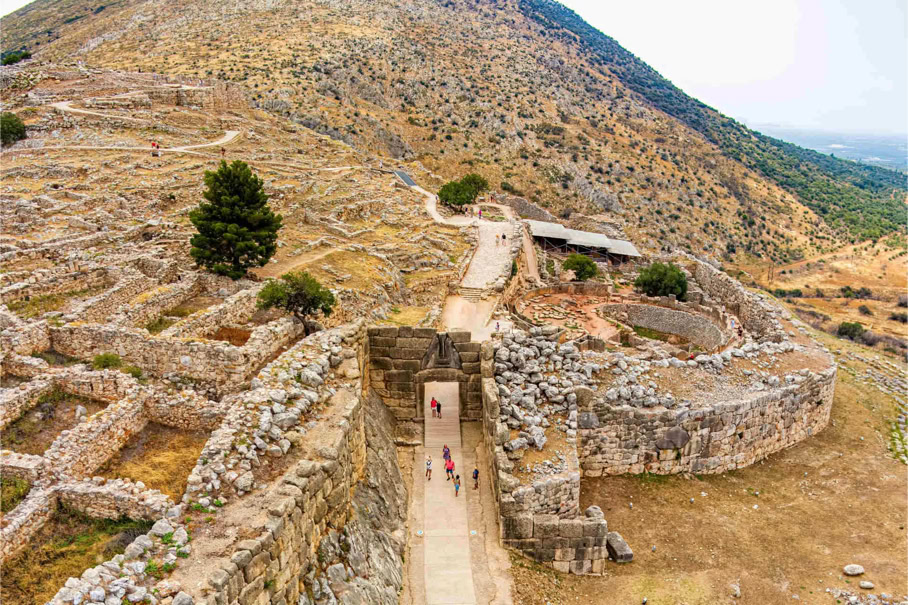
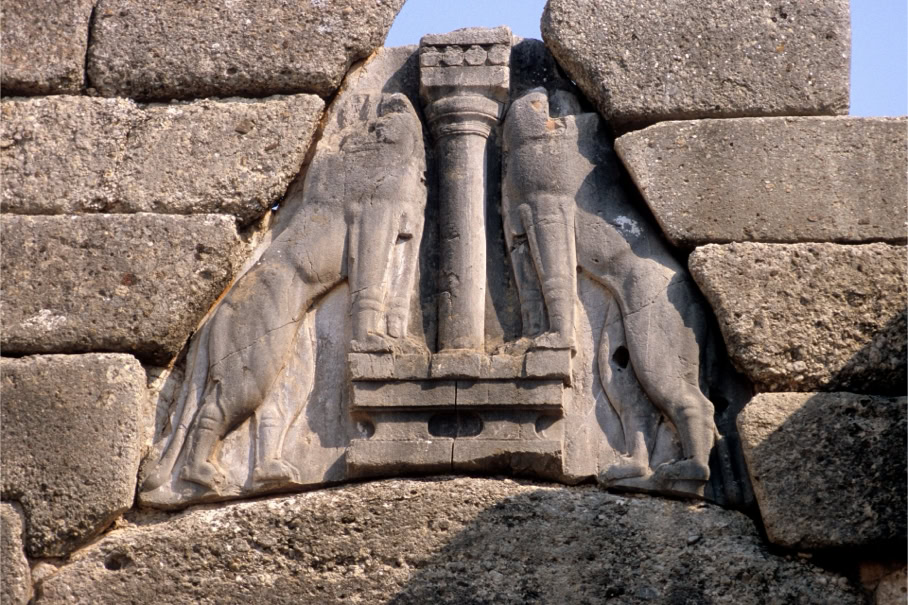
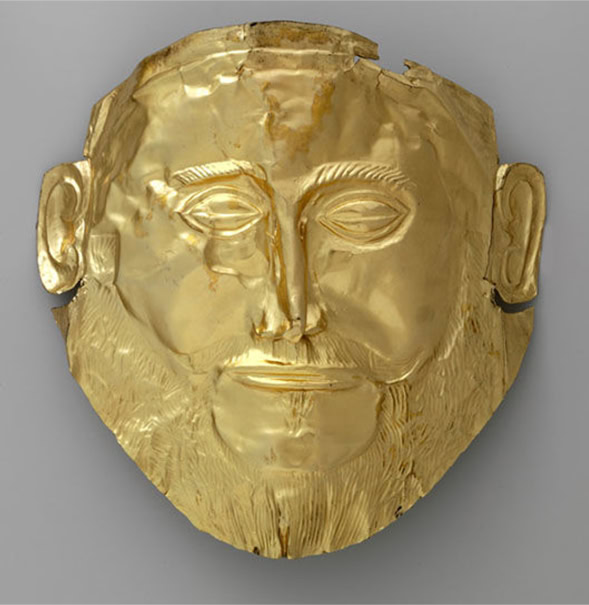
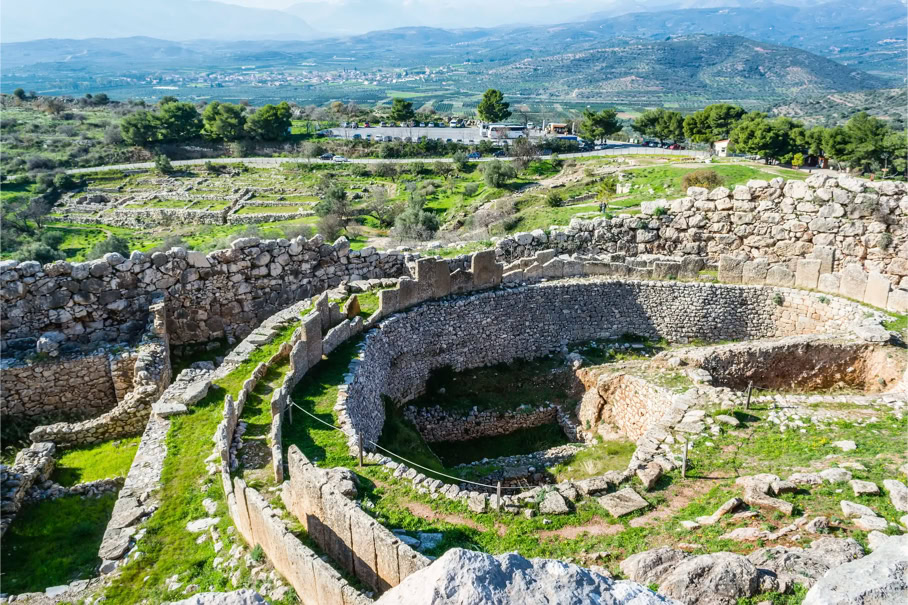
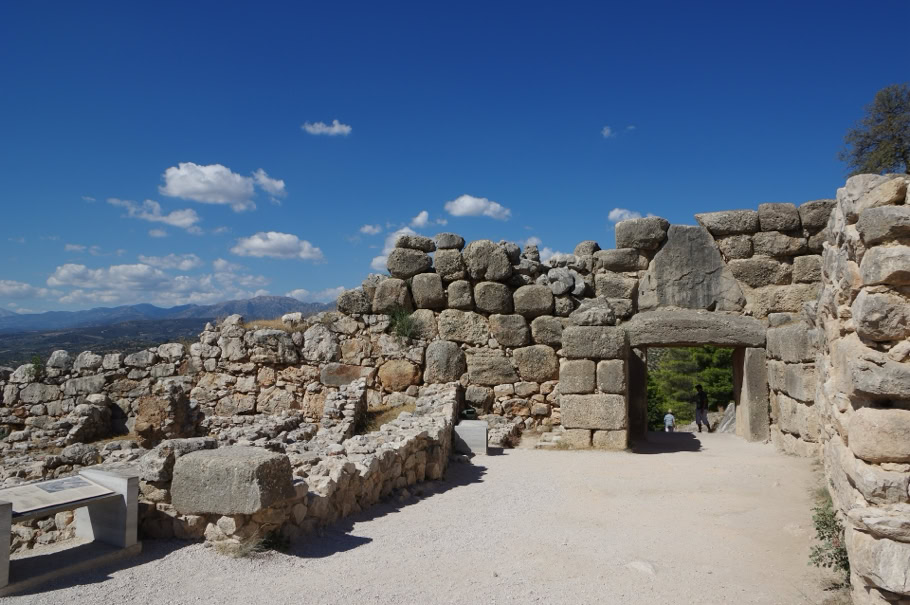
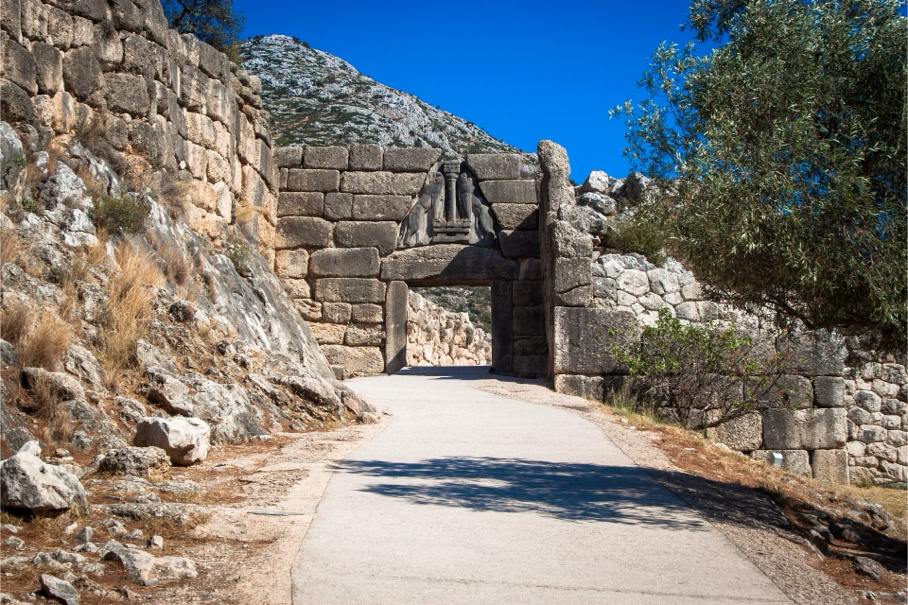
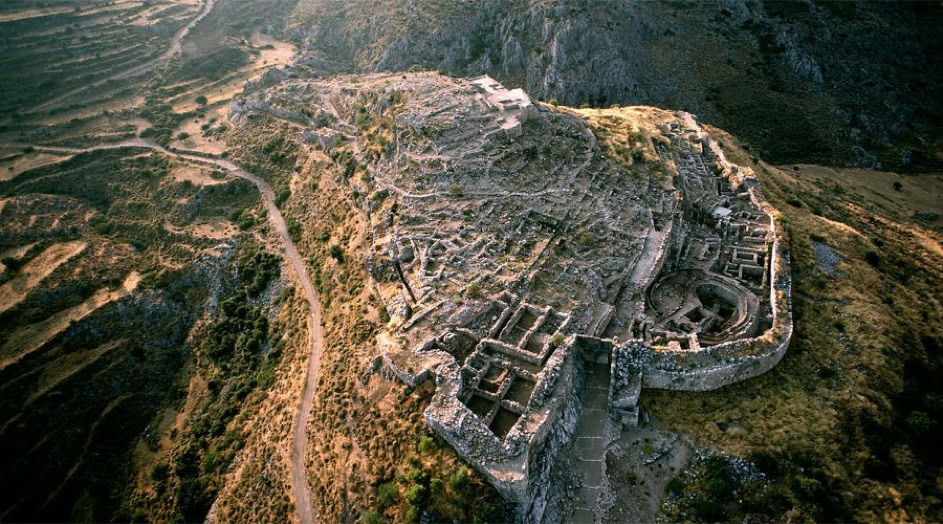
The period of Greek History from 1600 BC to 1100 BC is called the Mycenaean Age in tribute to the great Bronze Age city of Mycenae the culture of the age is known Mycenaean Civilization. Mycenae is famous both in Greek mythology and the pages Homer as the domain of King Agamemnon. The evidence of Mycenae greatness can be seen today in the ruins of its great hill citadel surrounded by massive Cyclopean walls, the iconic Lion Gate, and rich shaft graves filled with gold.
Mycenae was a major center of Greek civilization which dominated much of southern Greece, Crete and the Cyclades. At its peak in 1350 BC, the Mycenae citadel and lower town had a population of 30,000. Mycenaean expansion throughout the Aegean was unhindered until the massive disruption of Greek society in the first half of the twelfth century. In 1876 Heinrich Schliemann found the treasure of Mycenae just inside the main entrance (near the famous Lion Gate) inside the ancient city walls of the Citadel within a circular burial enclosure known as Grave Circle A.
CORINTH CANAL
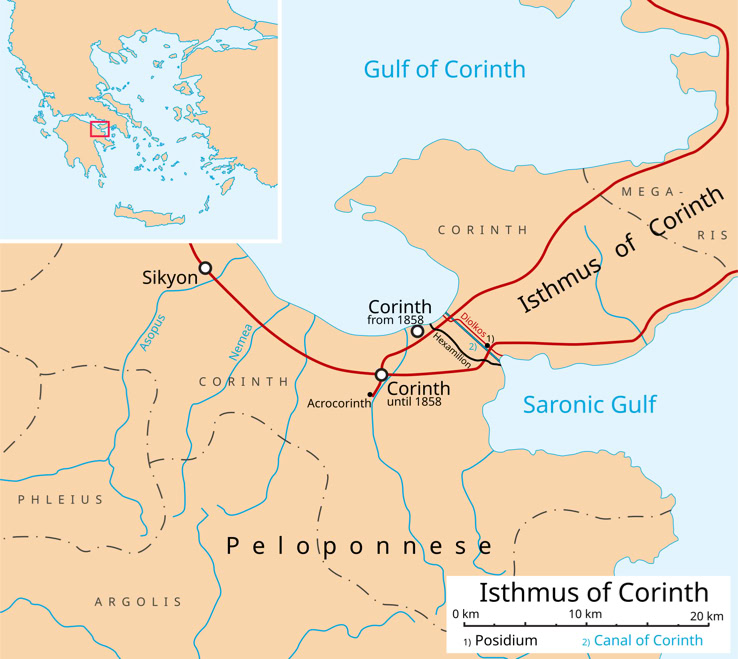
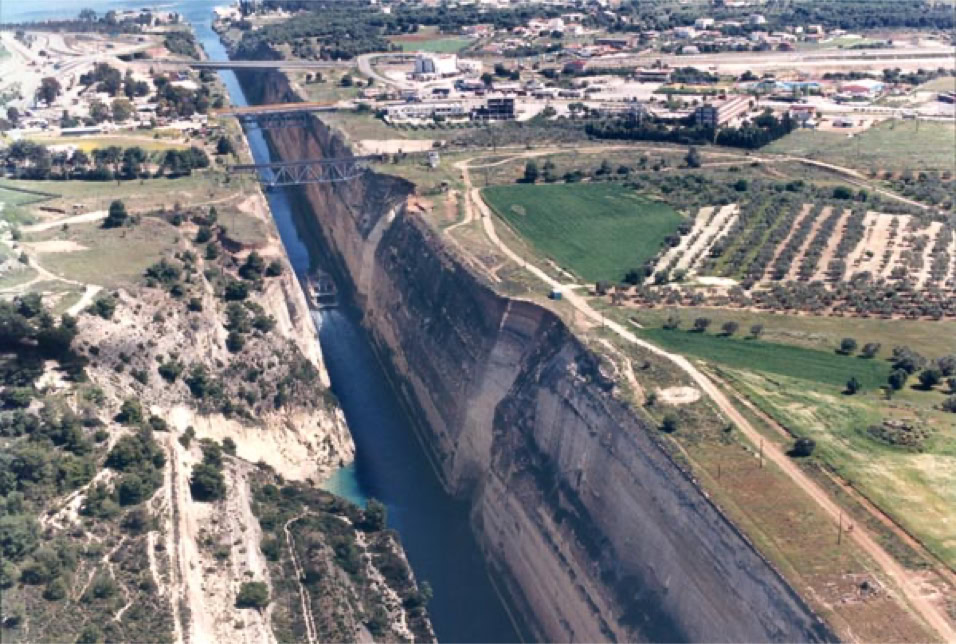
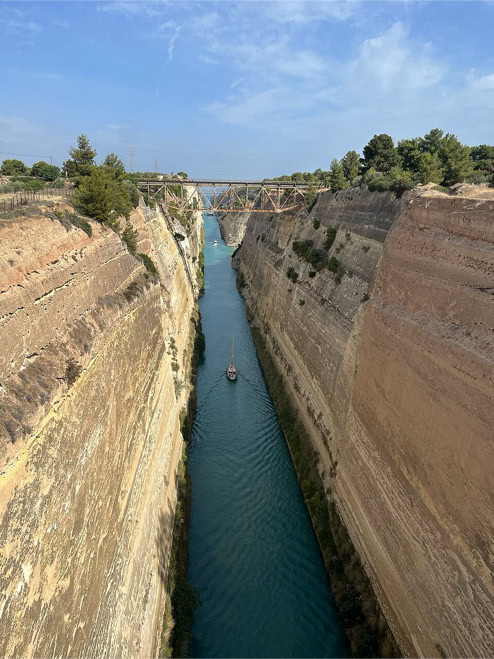
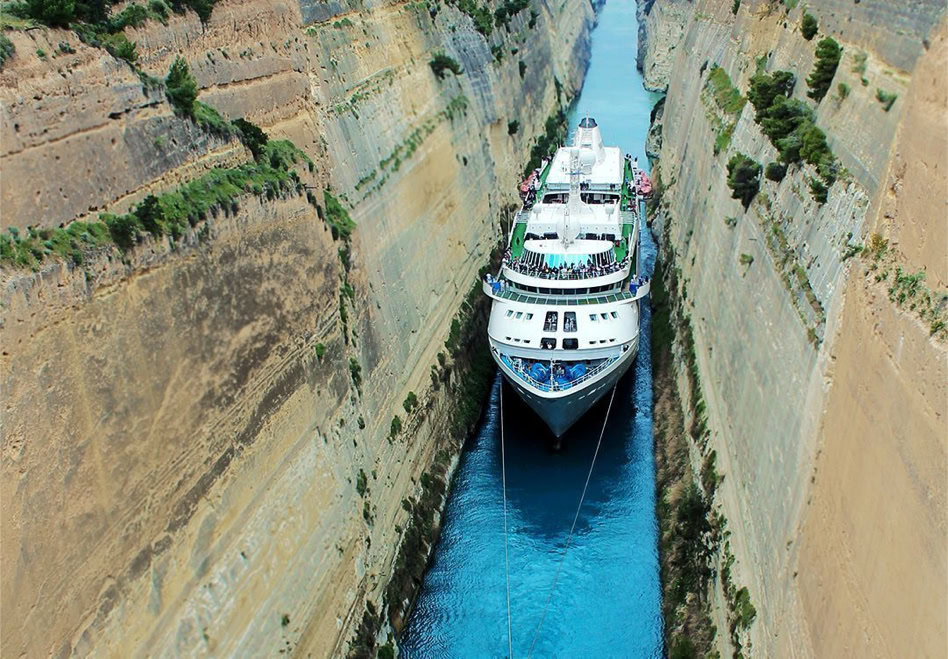
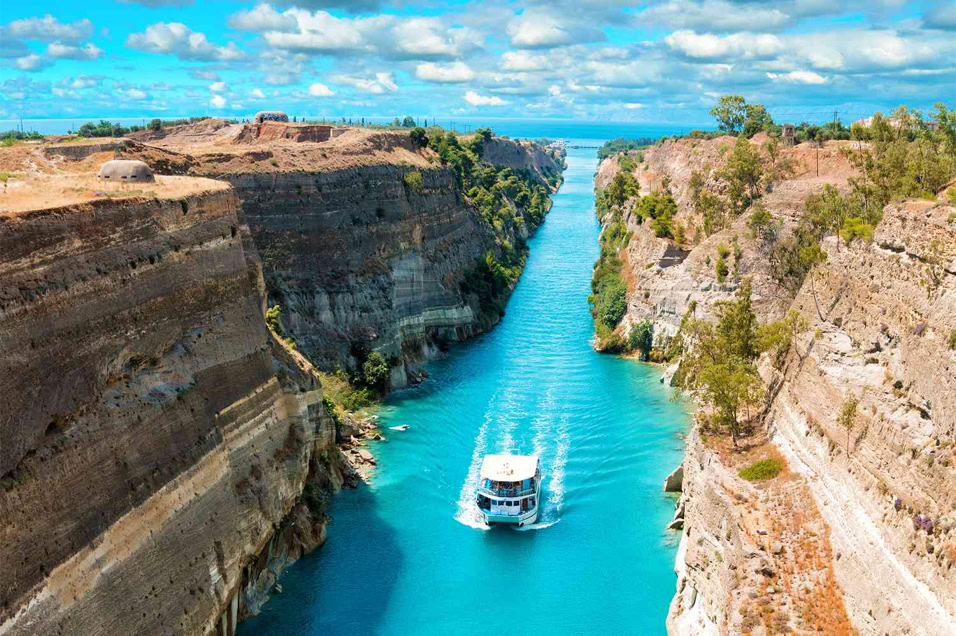
The Corinth Canal is a narrow artificial waterway in Greece that connects the Gulf of Corinth with the Saronic Gulf. It took 11 years to dig the modern Corinth Canal with construction starting in 1882 and finishing in 1893. It was the culmination of attempts to build the canal going back to the 7th Century BC.
AFTERNOON ARRIVAL IN ATHENS
DROP OFF WILL BE AT THE HERODION HOTEL NEAR ACROPOLIS
END OF TOUR
(See payment link below)